Buckle Up and Slow Down

Hey Guys, Slow Down! There is an over-representation of fatality and injury crashes with young men, ages 18–24, in Northeast Florida rural counties, caused by speeding and lower safety belt usage. We aim to reduce traffic fatalities and serious injuries by increasing safety belt usage and reducing excessive speeding. We’re taking a thoughtful approach to traffic safety—and we hope you’ll join us on this journey to save lives.

Drive like your future depends on it… because it does.

Improving roadway behaviors starts with us! Positive change begins by buckling up when you get in your vehicle, slowing down, and focusing on the road. Let’s keep the good vibes rolling—so we don’t come to a dead end. Life is a journey. Drive safely to reach your destination and your destiny.

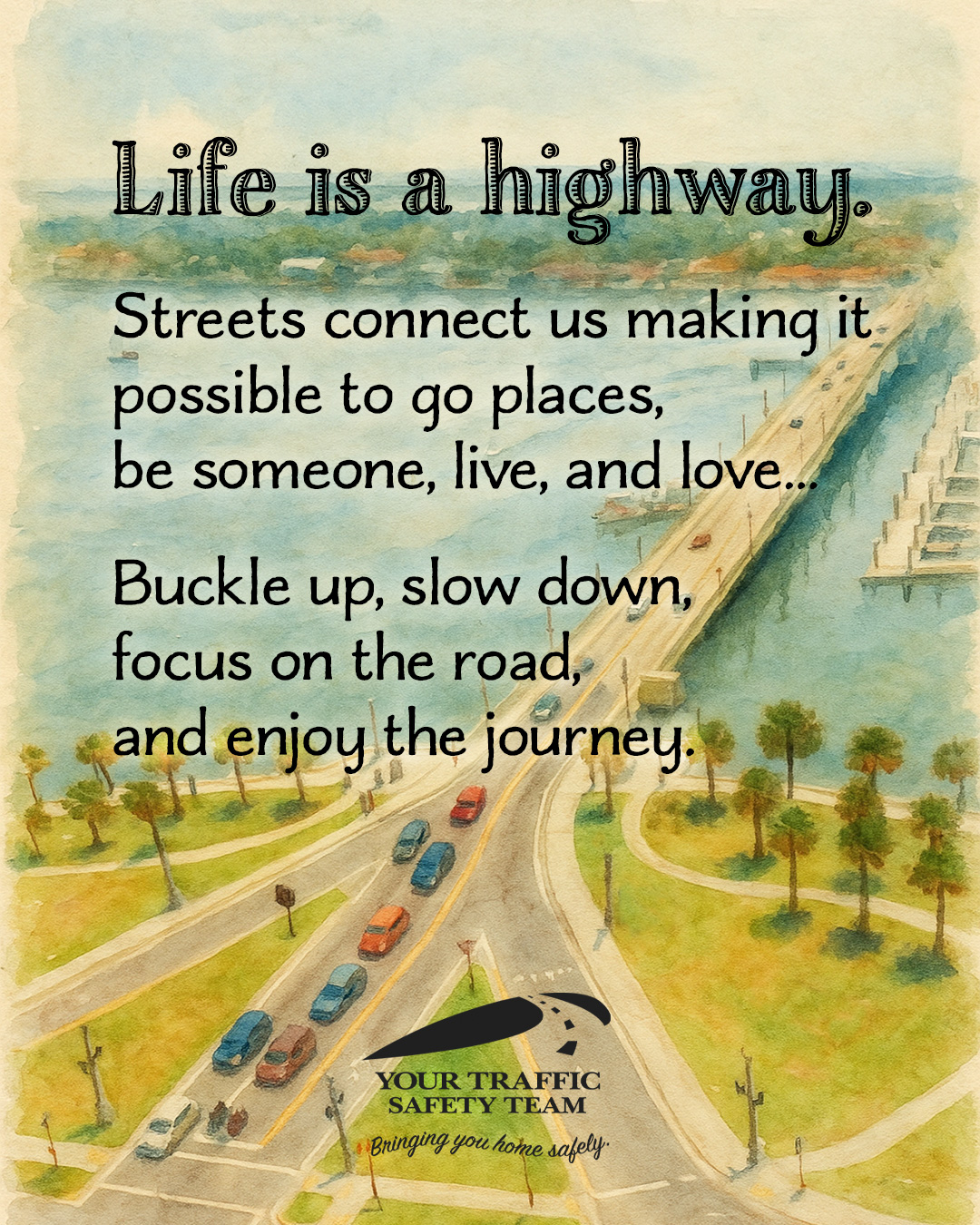
Life is a Highway

Share these graphics to help spread the message. #LifeIsAHighway #DriveSafe

Life is a Highway - Buckle Up and Slow Down

Buckle Up and Slow Down Poster and Banner

To help change this behavior, we created custom safety messages. The core idea is to save your life and protect your future. We need community outreach and connection to encourage slowing down and making driving safe the norm. Our new materials feature country-styled belt buckles with the messages “Buckle-Up” and “Slow Down,” conveying the idea that Life is a journey. Enjoy the ride… safely to reach your destiny. We want drivers to feel it’s okay NOT to be the fastest on the road. 
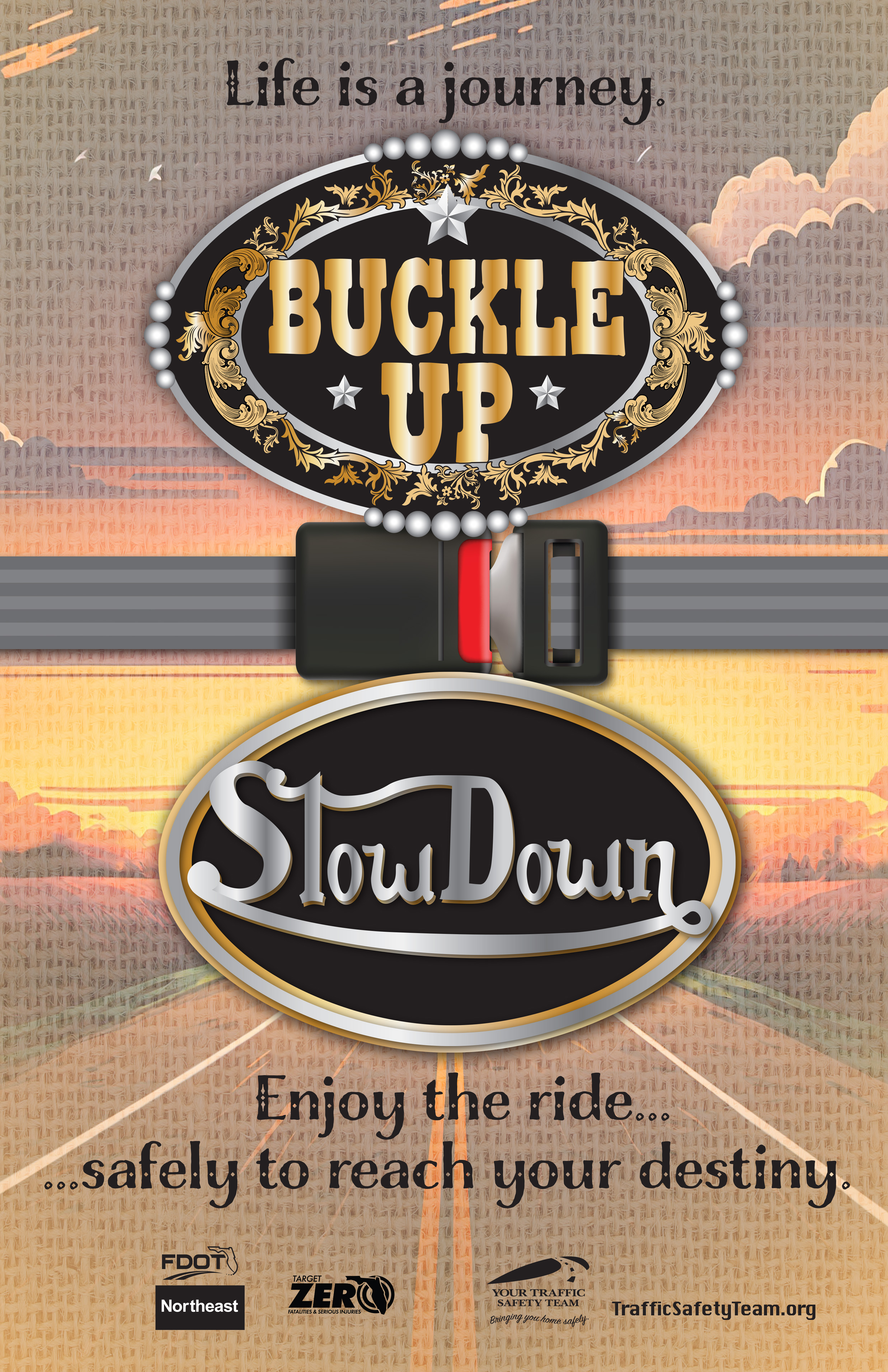
Rural Buckle Up and Slow Down poster and banner
Click here to download a printable version of our Buckle Up and Slow Down poster.

Buckle Up and Slow Down

Help make buckling up the social norm and driving at safe speeds part of our safety culture. Please download and share our Buckle Up and Slow Down printable POSTER and square social media GRAPHIC. You may print this flyer as a handout tip card, include it in an email or newsletter, or post it on social media. Don’t forget to tag us on Facebook and Instagram @trafficsafetyteam and on Twitter and LinkedIn @trafficsafetyfl and hashtag #SlowDownFL #BuckleUpFL #TrafficSafetyFL

speeding, aggressive drivers, occupant protection, Country Buckle Up Belt and Slow Down Belt Buckle

We want all motorists, especially young male drivers between the ages of 18 and 24, to change their mindset about speeding and realize it’s not worth the risk to their life or future. After interviewing this target audience in Northeast Florida, we gained a deeper understanding of some barriers and behavioral determinants of excessive speeding. We found that they frequently exceeded posted speed limits by a significant margin on rural roadways.


Slow Down – District Two Market Research

Levy and Suwannee are two counties in Northeast Florida with a population under 44,000. Comparing these counties with other similarly sized counties in Florida, they are ranked most problematic (#1 and #3) in the issues of both speed and teen drivers per the FY2024 Highway Safety Matrix.

Examples of why speeding among young male drivers on rural roads is a problem include:
  • Limited law enforcement presence
  • Roadway characteristics – curvature, grade, width, and adjacent land use
  • Delayed EMS response times
  • Pickup trucks are more likely to roll over, especially when significantly altered/lifted; they are top-heavy
Formative data:
  • NHTSA 2020 Speeding Traffic Safety Facts – Thirty-five percent of male drivers in the 15- to 20-year-old age group involved in fatal crashes in 2020 were speeding, the highest among the age groups.
  • GHSA Teens and Speeding – from 2015 to 2019, teen drivers and passengers (16 – 19 years of age) had a greater proportion of speeding-related fatalities (43%) than all other age groups. Men were almost twice as likely as women to say that they drove at extreme speeds much more often than normal. 
  • Speeding-related teen driver fatal crashes – the driver is more likely to be male (37% vs. 28%), have run off the road or rolled over the vehicle, and to be unbelted.
  • Male drivers in every age group account for the greatest proportion of fatal crashes involving speeding.
  • NTSB – The relationship between speed and injury severity is consistent and direct. 
  • NHTSA – Drivers classified as speeders were almost three times as likely as sometime speeders to strongly agree with the statements, “I often get impatient with slower drivers” (45% versus 18%), “I enjoy the feeling of driving fast” (19% versus 6%), and “I try to get where I am going as fast as I can” (11% versus 3%).
Insight – Younger male drivers enjoy excessive speeding in rural areas without regard to safety or the law. Barriers and behavioral determinants:
  • Entitlement (the belief that their need to reach a destination is more important/deserving, ‘own the road.’)
  • Personable responsibility and self-protection
  • Driving over the speed limit is not dangerous for skilled drivers (male dominant attitude)
  • Hustle mentality
  • Traveling with the flow of traffic (everyone speeds)
  • Enjoy driving faster (extreme risks feel exciting, adrenaline rush)
  • Not predetermined, in-the-moment decisions to speed

Other materials, information, and resources available on our website about occupant protection, speeding, and driving tips for teens:

School Traffic Camera Enforcement

Effective July 1, 2023, Florida law allows camera enforcement of school zone speed limits and illegal passing of school buses. School traffic camera enforcement and safety has especially been a topic of discussion for our Northeast Florida communities and team members.

Planning for School Traffic Camera Enforcement in Florida

FDOT District Two Traffic Operations Engineer Jim Hannigan explained the proposed guidelines. He answered questions during a recent Districtwide Team meeting. 

Pursuant to Section 316.0776, Florida Statutes (F.S.), the FDOT may approve the placement or installation of a Speed Detection System (SDS) in a School Zone on the State Highway System (SHS), as defined in Section 334.03(24), F.S. SDS installations on the SHS must be authorized through a General Use Permit in accordance with Rule 14-20.010 of the Florida Administrative Code. This is similar to the process used for Automated License Plate Recognition (LPR) Systems and Traffic Infraction Detectors (Red Light Running Cameras).  

If your community is interested, please visit the FDOT School Zone Speed Detection System webpage to read an overview of the process and criteria, which include:

  • Placement and Installation Specifications
  • Special Provisions for General Use Permit
  • Frequently Asked Questions
  • Contact Information

Florida Enforcement of School ZONE Speed Limits Law

School ZONE Speed Detection Cameras – District Two News and Information:

School ZONE Speeding in the News in other areas throughout Florida:

Florida Enforcement of School BUS Passing Violations Law

School BUS Camera Programs – Florida News and Information:

We are following the usage of school zone speed detection and school bus cameras to improve safety and deter illegal speeding and passing. If you are aware of any other local municipalities in Northeast Florida that plan to install and maintain cameras for enforcement purposes, please let us know.

Additionally, see our School Bus Safety resources for drivers and student passengers:

Traffic Safety Storytime

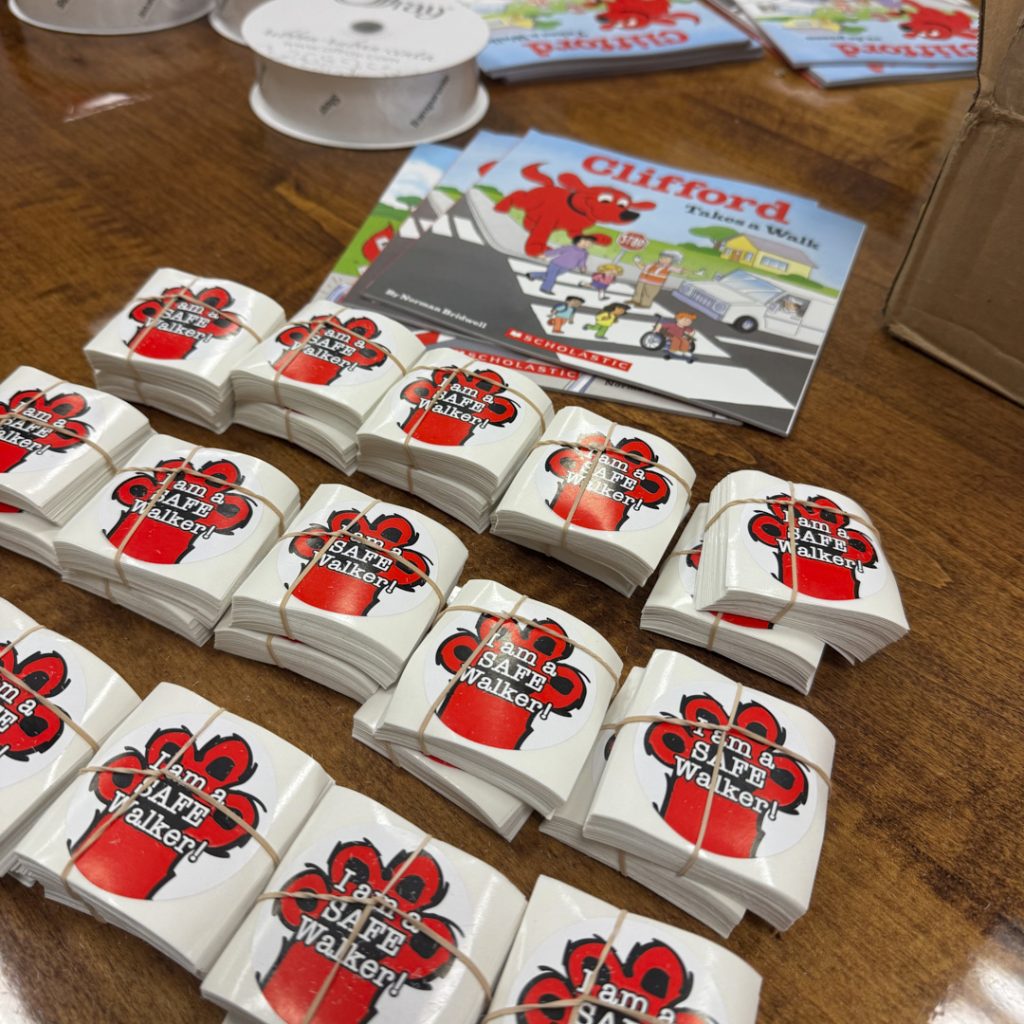
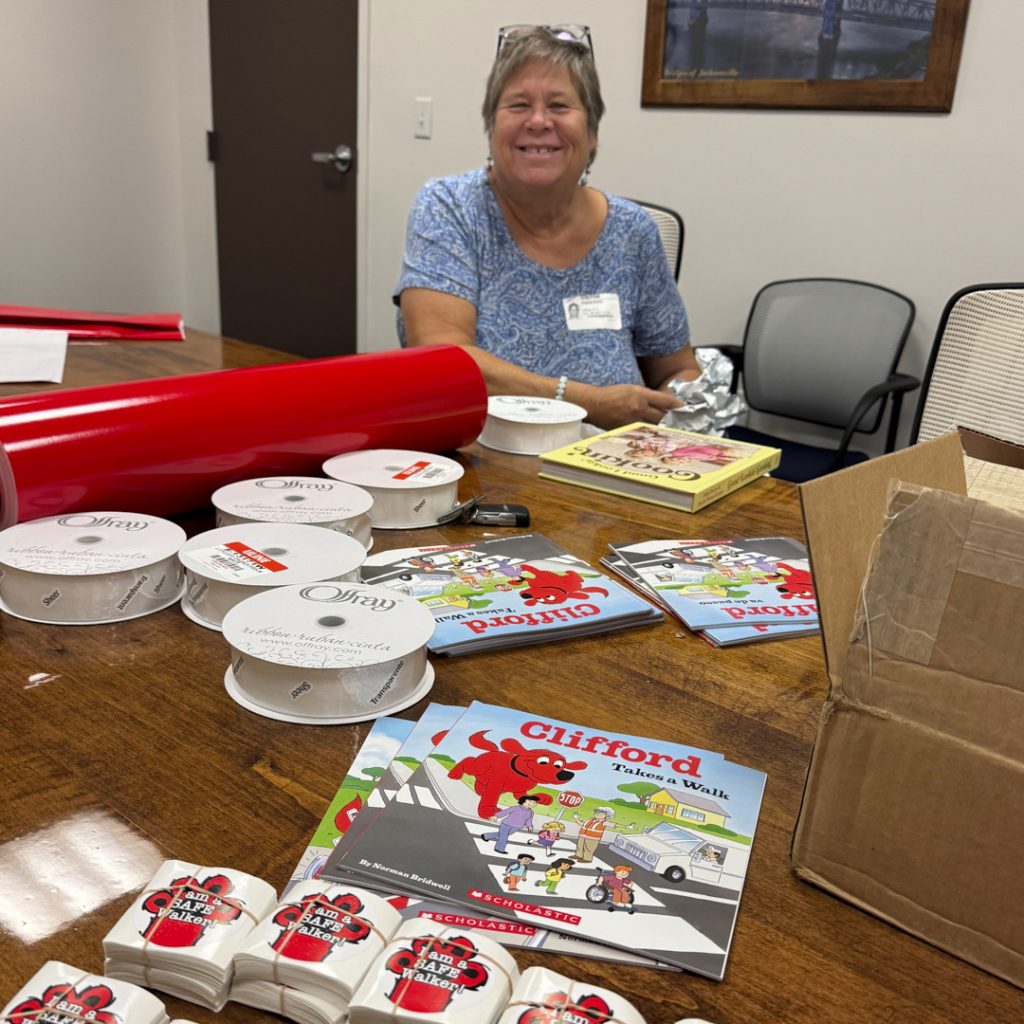
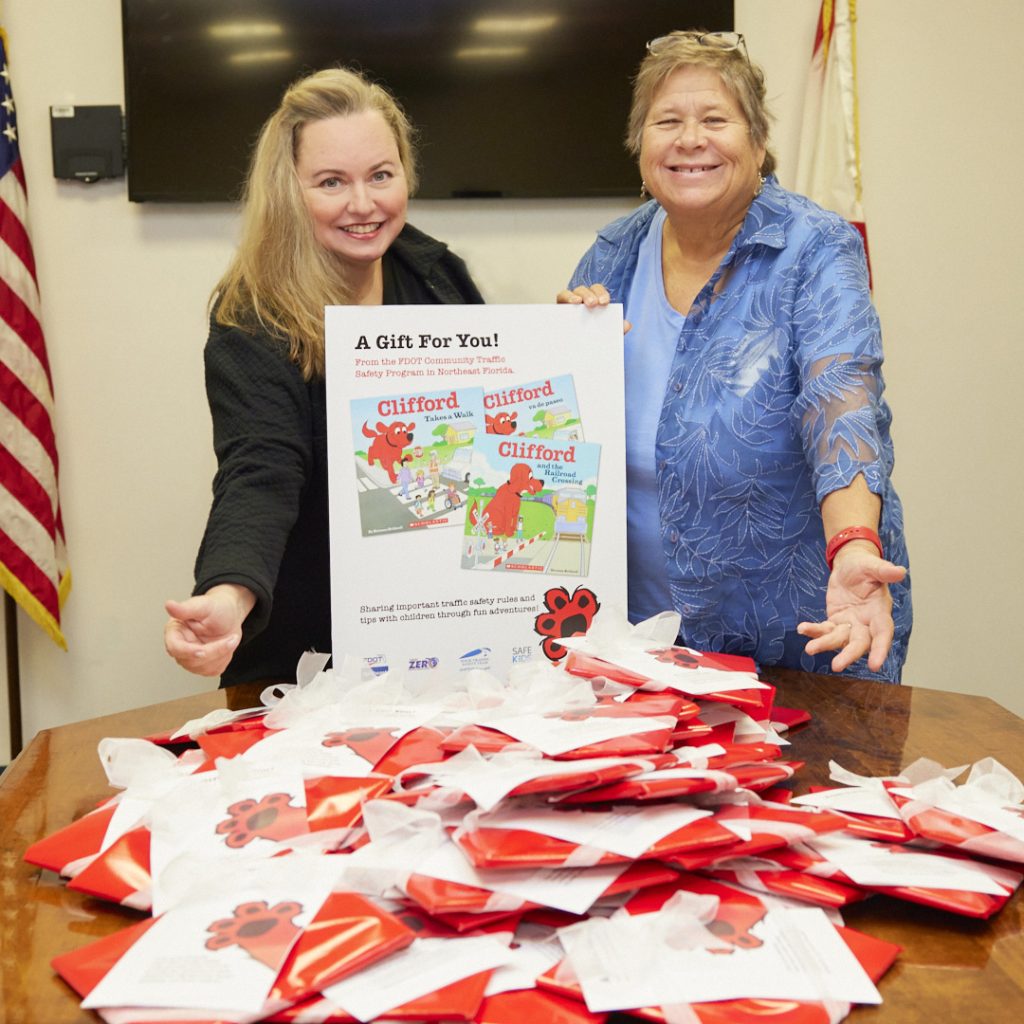
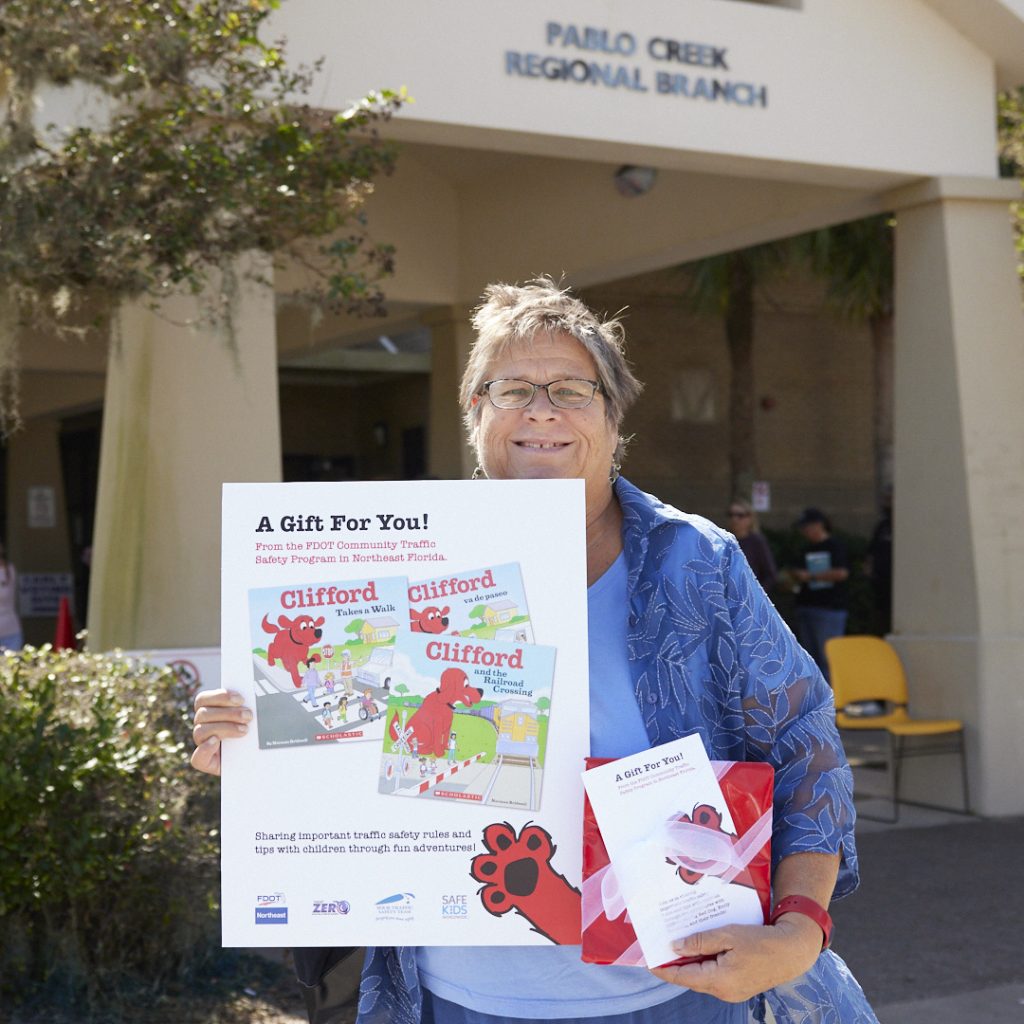
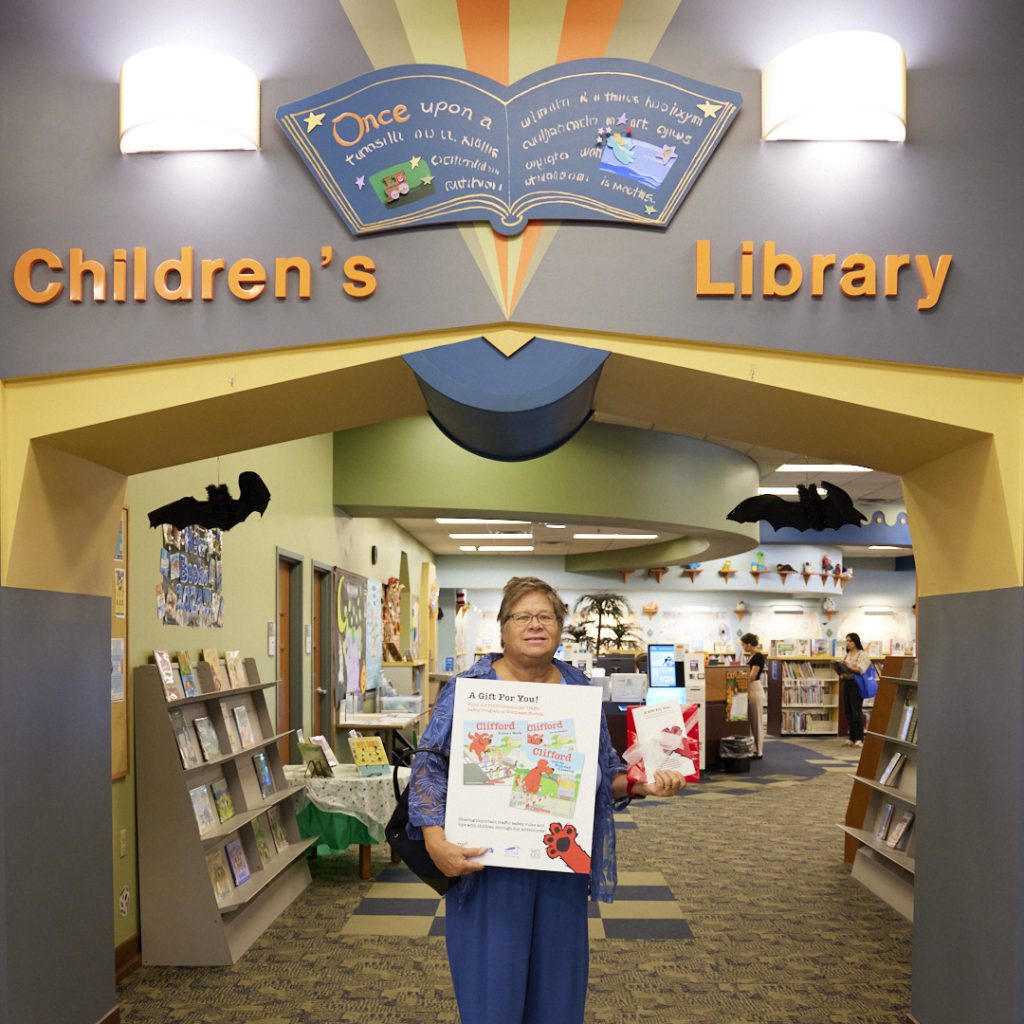
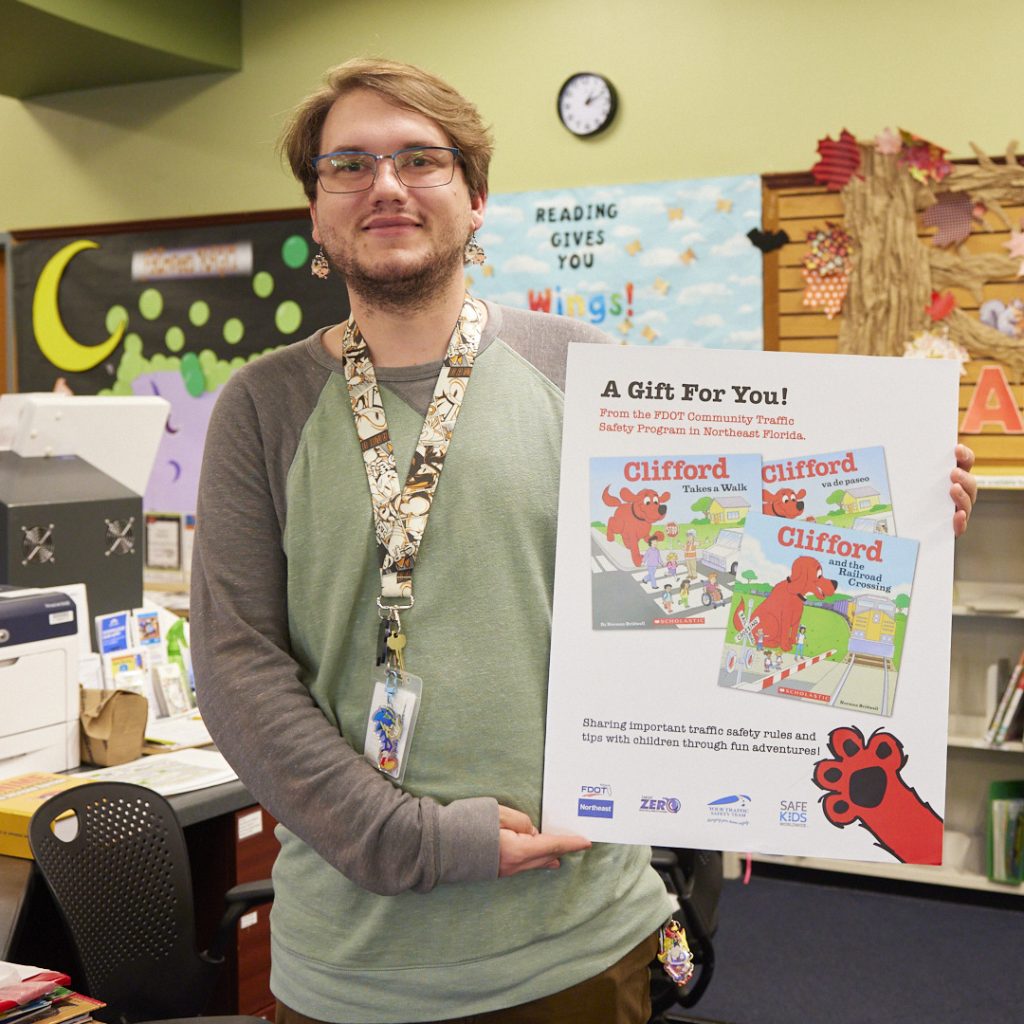
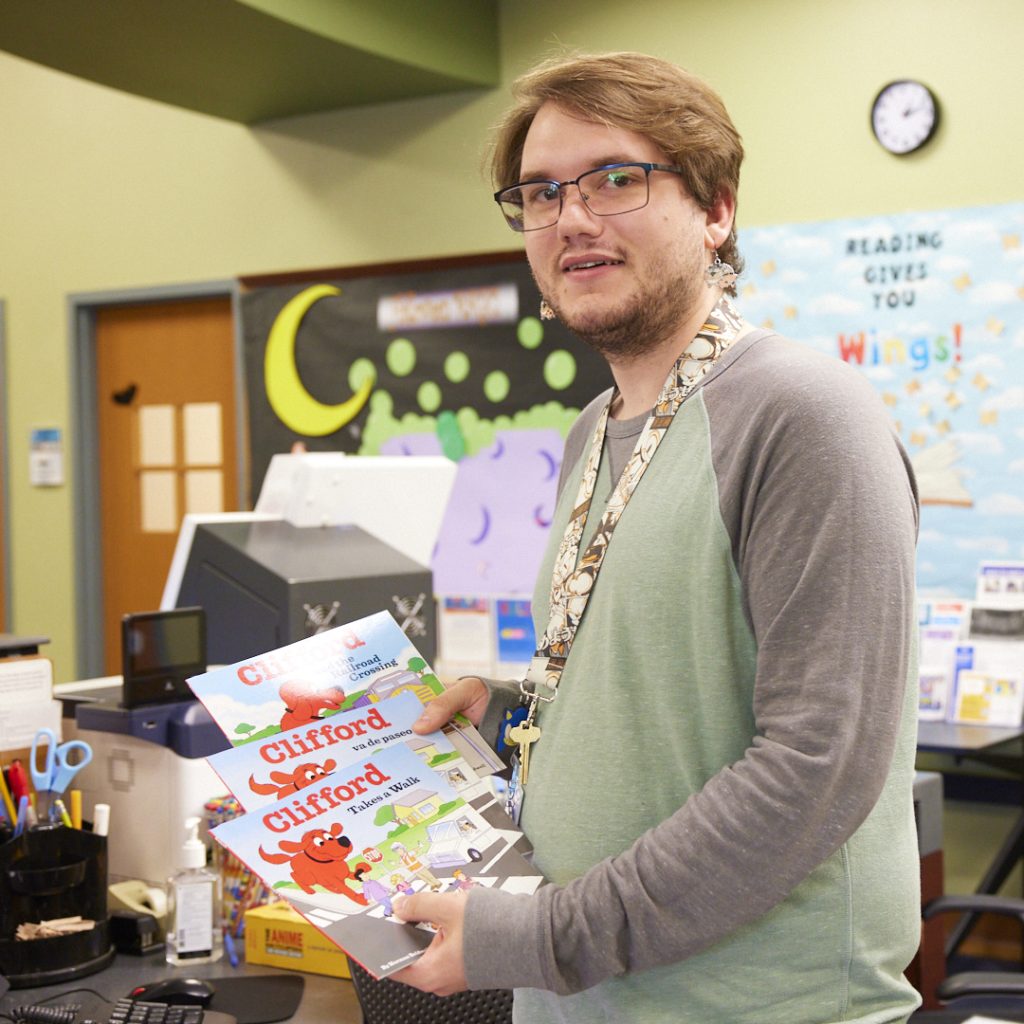
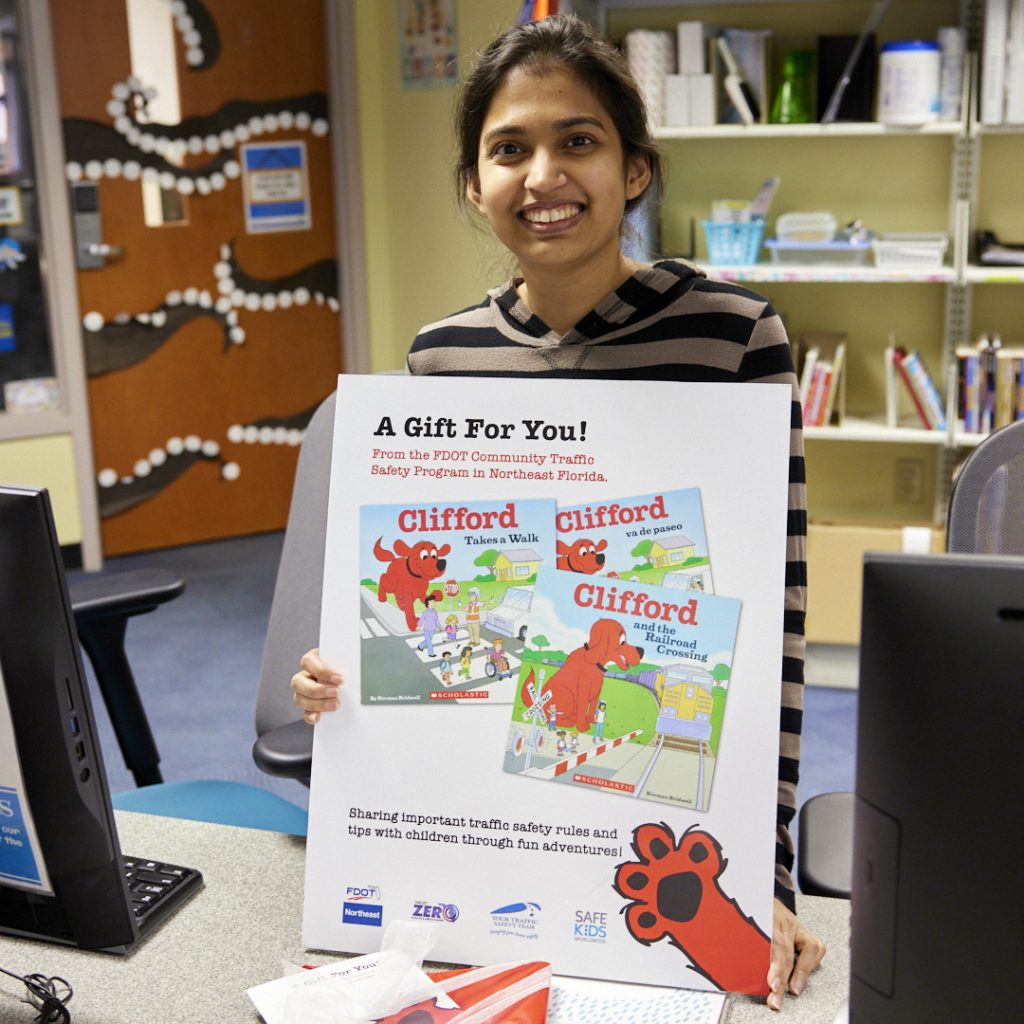
For many years, the Community Traffic Safety Program has promoted traffic safety storytime read-aloud videos, activity books, and storybooks to help educate children. Above all, kids can learn about important traffic safety rules while reading fun adventures. We were happy to share two fantastic Clifford the Big Red Dog books supplied by Safe Kids. These stories focused on traffic safety for children and were shared with local libraries and community partners throughout our 18-county district.  

The first book, Clifford Takes a Walk, teaches street-crossing and pedestrian safety. A limited number of these books were also available in Spanish. The second book, Clifford and the Railroad Crossing, emphasizes safety around trains and railroads. These books were made available with generous support from FedEx, Union Pacific Railroad, and Safe Kids Worldwide. We are excited to help bring these important messages to our community, and our library partners are the perfect avenue for reaching young readers. 

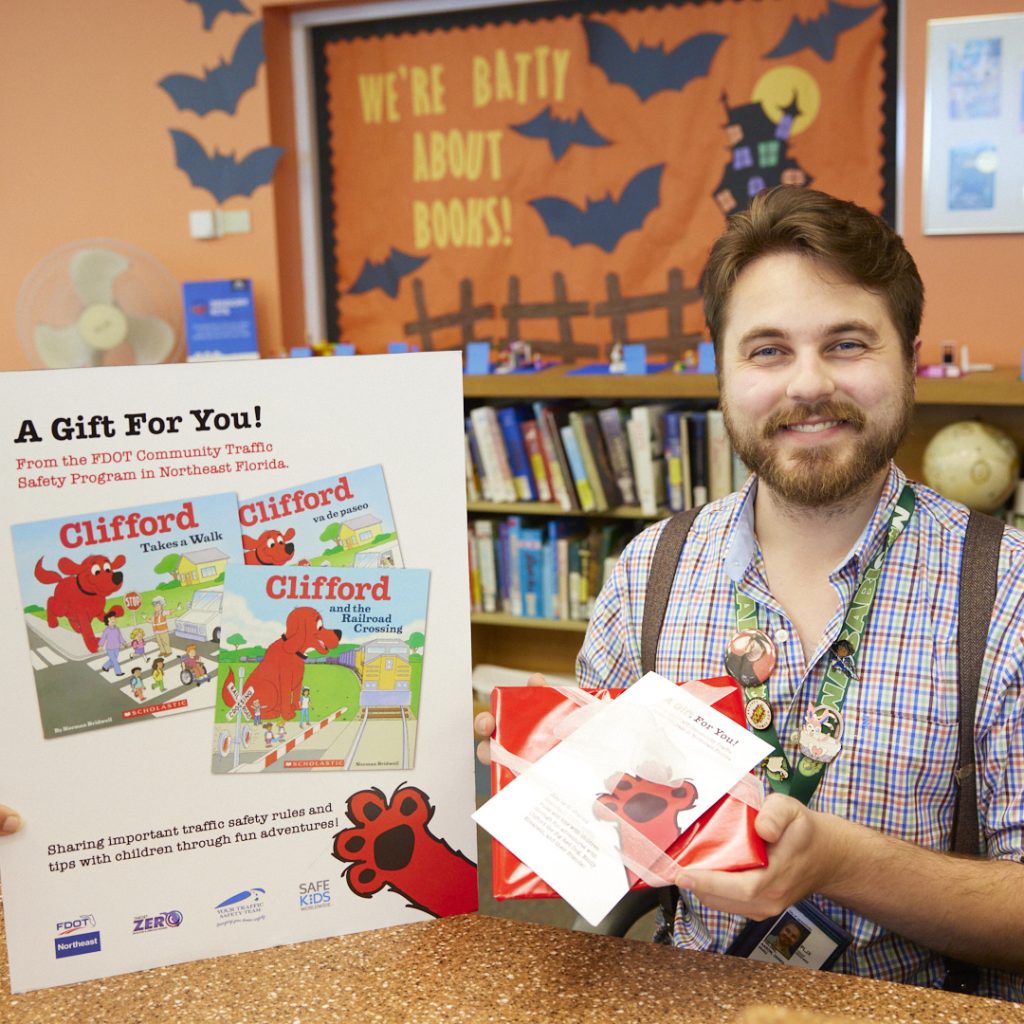
A Gift for Local Libraries, Childcare Centers, and Schools

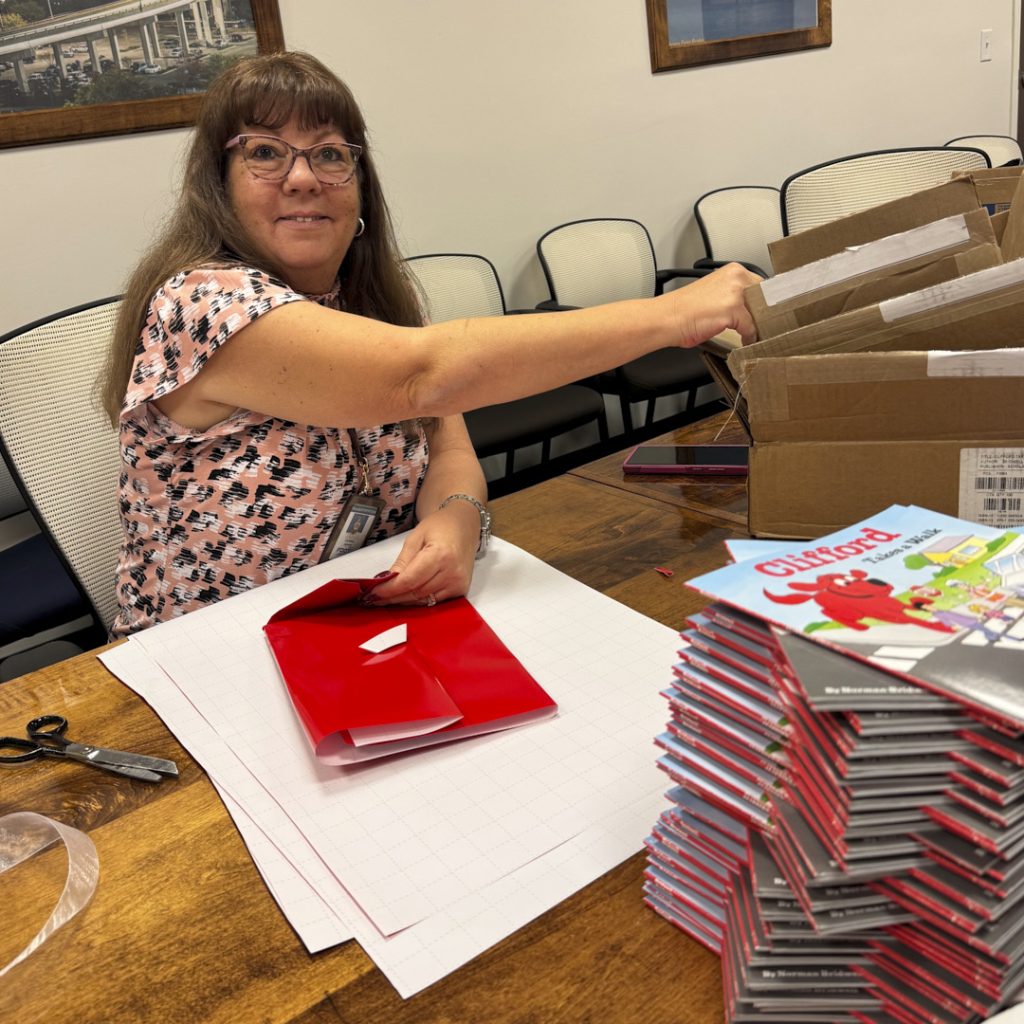
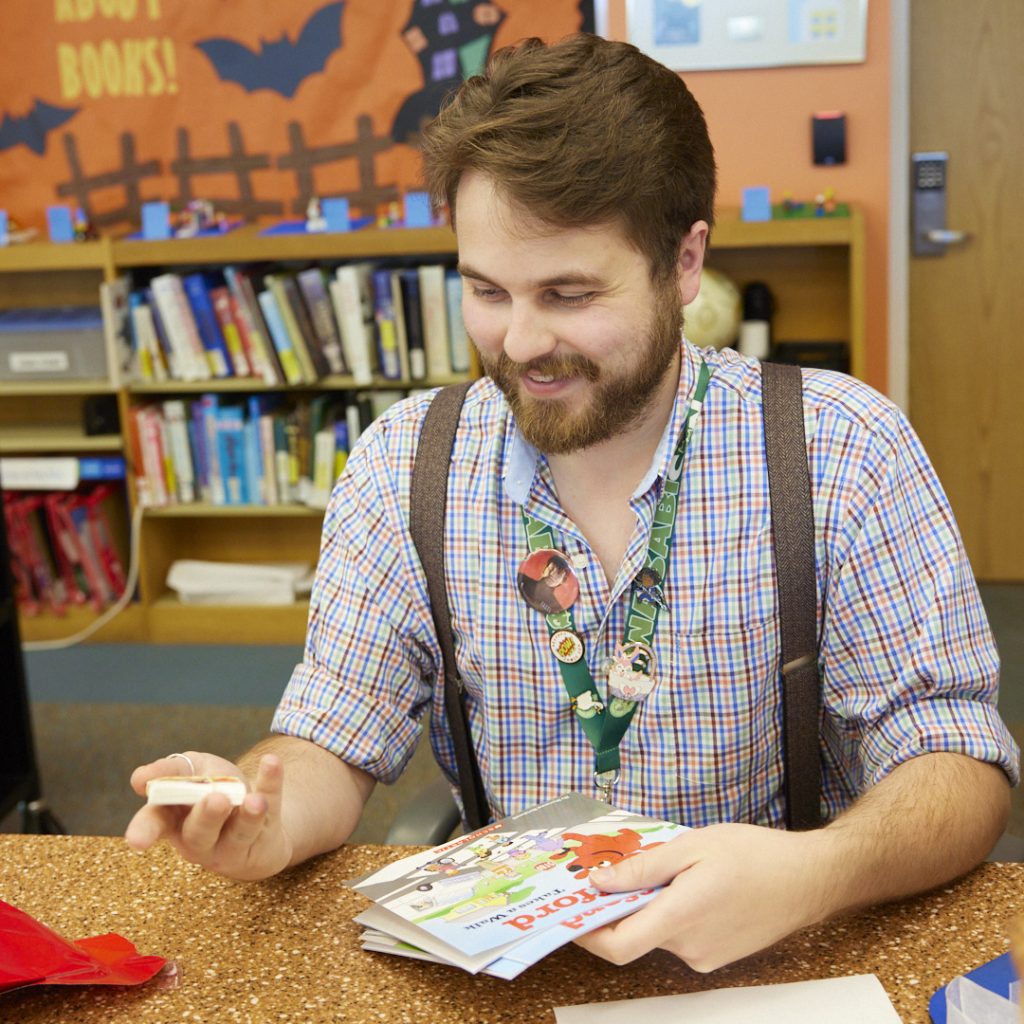
In October, our team gift-wrapped the books and hand-delivered packages to select libraries in Duval County. “I am a SAFE Walker!” stickers were included to share during storytime. The remaining packages are being delivered by team members or shipped throughout all 18 counties in our district.

Traffic Safety Storytime Outreach


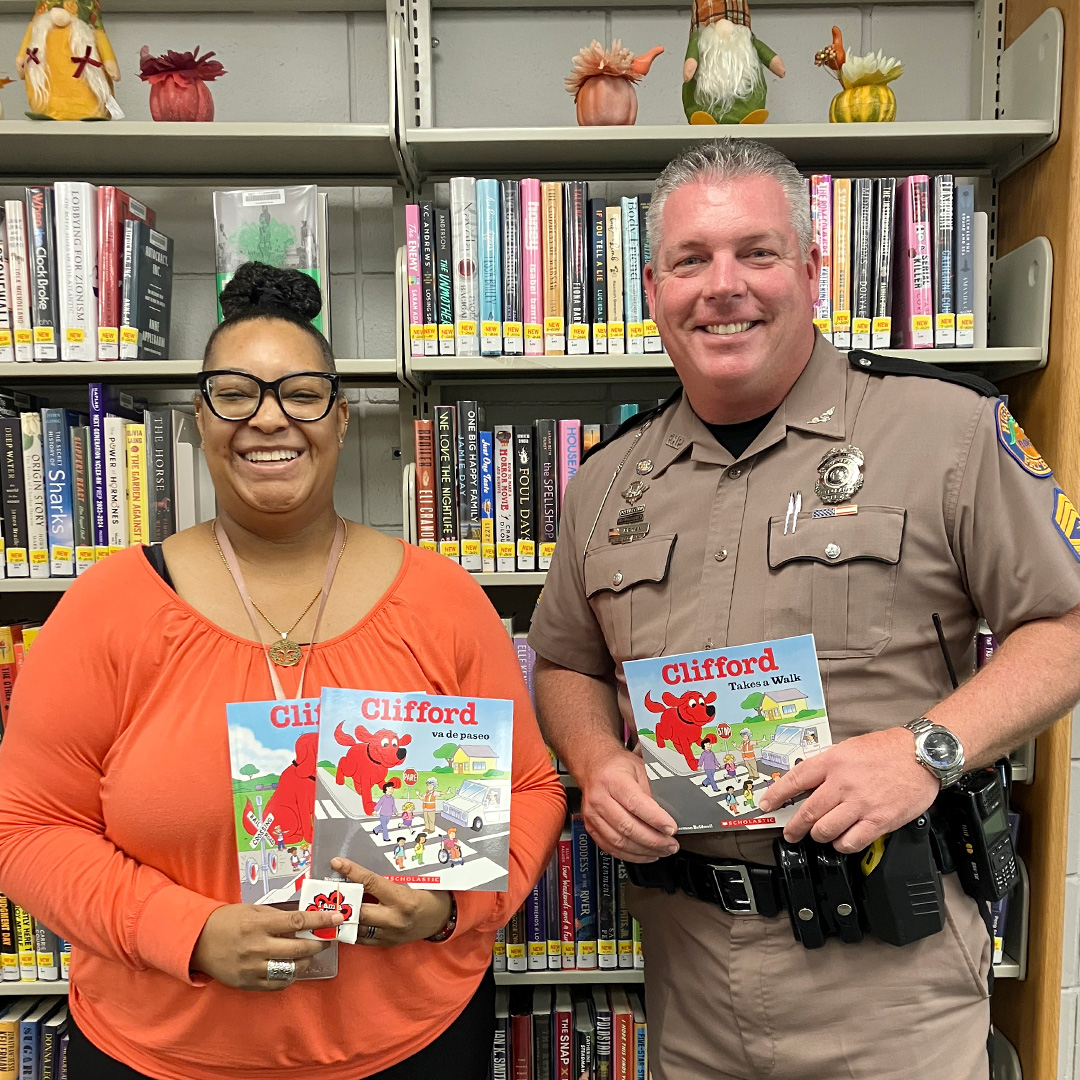
In November, our Clay CTST Chair, FHP Master Sergeant Dylan Bryan, personally delivered copies to Clay County libraries. We love seeing the positive responses from this outreach effort, the smiling faces, and the appreciation for quality children’s books like these. Of course, the stickers are a big hit!

Fernandina Beach Police Department Storytime
🎉

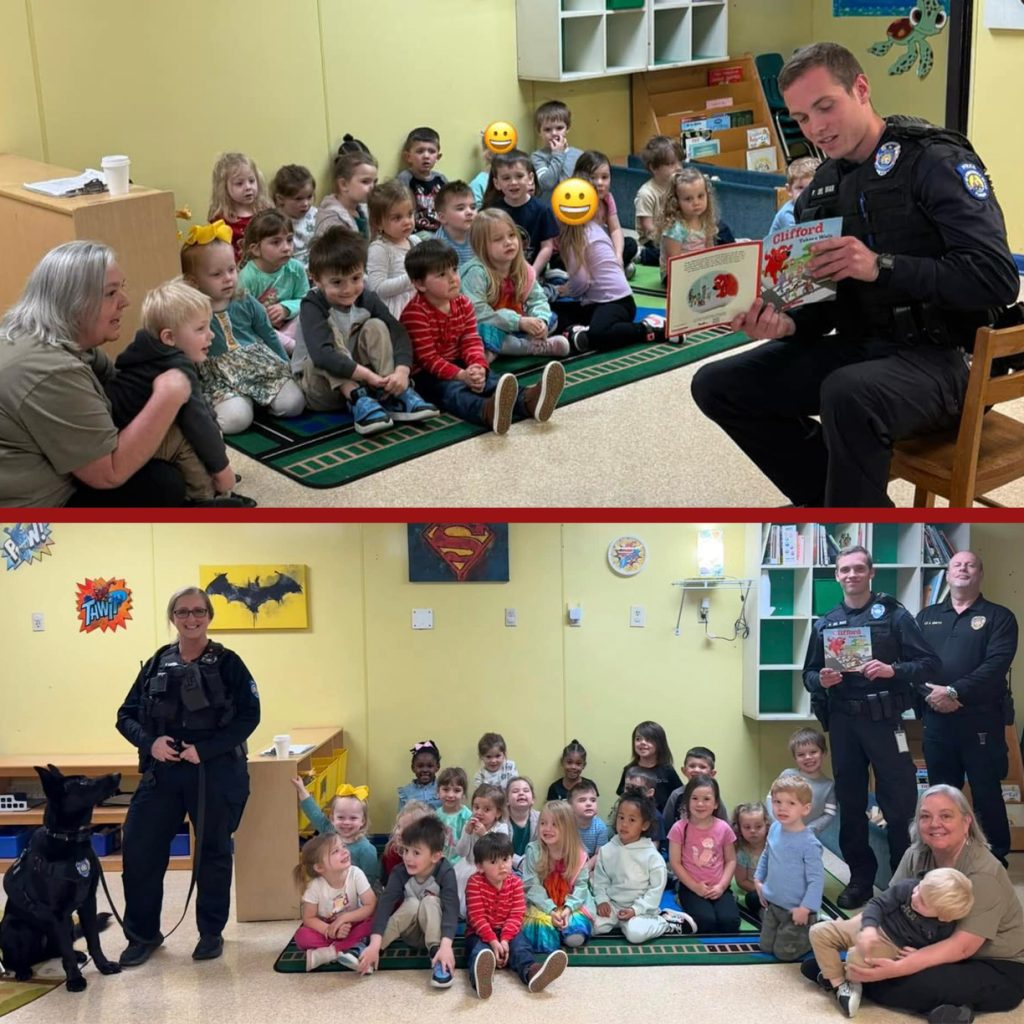
The Fernandina Beach Police Department had a blast reading Clifford Takes a Walk to their Preschool & Pre-K friends over at Tree House Academy of Fernandina Beach.

Clifford’s safety tips were a hit! K9 Hanna stole the show, as nothing beats storytime with a real-life four-legged friend!

🐾
❤️

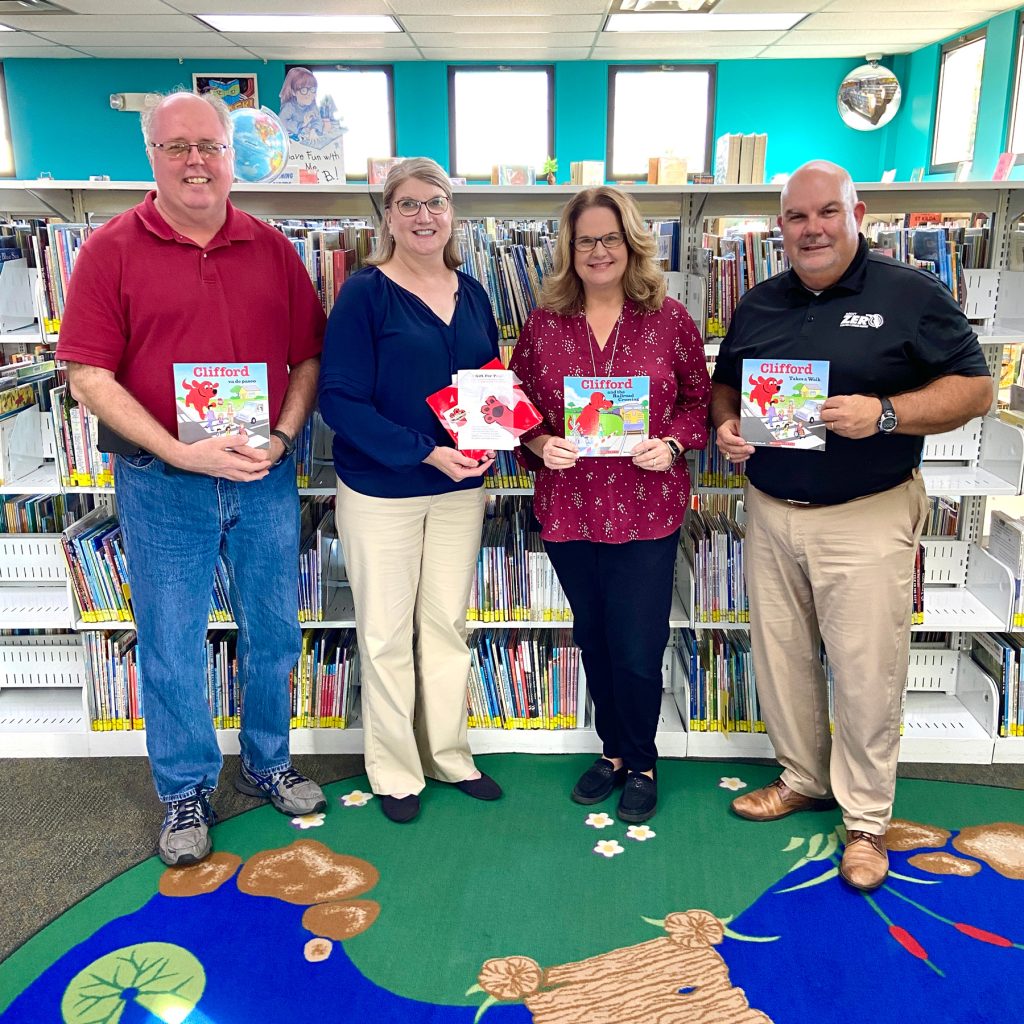
Tracy Hisler-Pace and Jordan Green of the District Two FDOT Target Zero team, along with our Columbia Traffic Safety Team Chair, Shane Morgan, the Columbia County Emergency Management Director, presented the Clifford books to Katrina Evans, the director of the Columbia County Library. Mrs. Evans was very appreciative of the donations and looks forward to adding them to the children’s section.

Columbia County Library Outreach

Traffic Safety Storytime Videos for Children

“Clifford Takes a Walk” Shows Children How To Be Safe Walkers

Join Clifford the Big Red Dog, Emily Elizabeth, and their friends on a fun, safe walking adventure!

“Clifford and the Railroad Crossing” Teaches Children How to be Safe Around Railroad Tracks

Safety is a top priority, and we are excited to share this transportation and train track safety education.

More Storytime Videos

“Watch Out On the Road” and “Learn About Road Safety” Read-Aloud Books for Kids

During the COVID-19 Pandemic, we had traffic safety team volunteers ready stories we created to share virtually. Storytime was an excellent opportunity to reach out to children in our community online.

“Be Careful and Stay Safe” and “Look Left, Look Right, Look Left Again” Story Books Read by Kids for Kids
“Franklin Rides a Bike” Read Aloud Story Video

We distributed Franklin Rides a Bike as the first storybook. This was part of our Safe Routes to School program in the late 1990s. Above all, we hope you enjoy and share these read-aloud online storytimes with your students or children.

Safety Town Storytime Videos for Kids

And finally, don’t miss out on these stop-animation videos created with our Safety Town board game to teach “Safety Rules at Home, School, and Around the Neighborhood.” These four traffic safety videos include walking safely to school, walking safely in the neighborhood, biking safely while wearing a helmet, and bus stop safety rules.


Additional Traffic Safety Resources Made for Kids

Intersection Countermeasures

Cost-Effective Safety Engineering Countermeasures Help Reduce Intersection Crashes 

FDOT District Two Community Traffic Safety Program in Northeast Florida continues the educational series of proven safety countermeasures. These five informational pieces help explain intersection countermeasures. The traffic safety strategies and treatments of roadway markings and traffic lights at intersections reduce serious injury and fatal crashes. They are based on proven measures of effectiveness by the Federal Highway Administration (FHWA).

Click on the five educational Intersection Countermeasure cards below to download a copy. They may be printed or shared digitally through email or social media with our Northeast Florida Traffic Safety Teams, communities and agencies.

Motorists and other road users, including pedestrians and cyclists, cross paths at intersections. This is where the greatest potential for roadway conflicts exists. Turning, changing lanes, and traveling through intersections are among the most complex tasks in the transportation system. They require appropriate roadway design, signage, traffic control devices, lighting, and other safety measures. Innovative safety improvements and operations at signalized and unsignalized intersections can help enhance everyone’s safety.

Traffic Safety at Intersections

Rules of the Road: Safety Tips at Intersections

In Florida, intersections are among the top 2 locations for serious injury crashes. When approaching an intersection, be aware of driveway accesses, vehicles that suddenly come to a complete stop, and vehicles that suddenly change lanes in front of you. When stopped at a red light, check for pedestrians and yield to pedestrians and bicyclists before turning right. If a traffic light shows a flashing yellow arrow, yield to oncoming traffic and pedestrians.

Click here for a PDF document of these intersection countermeasures used in Northeast Florida, provided by the FDOT District Two Community Traffic Safety Program.

Traffic Safety Countermeasures that Work in Reducing Intersection Crashes:

1. Roundabouts Reduce Severe Crashes

Roundabouts are a circular intersection that feature channelized approaches and a center island that safely and efficiently moves traffic. Motorists entering the roundabout yield to vehicles already circulating which leads to improved operational performance. Roundabouts are an effective countermeasure resulting in lower speeds and fewer conflict points.

2. Backplates with Retroreflective Borders

Backplates are a low cost countermeasure being introduced in Northeast Florida on traffic signal heads to improve visibility of the illuminated face. The dark backplate provides a controlled-contrast background. The framing with a retroreflective border makes the signal easily seen in both daytime and nighttime conditions. This treatment enhances visibility for aging motorists and color vision deficient drivers, and is also beneficial during power outages or inclement weather, providing a visible cue for all motorists.

3. Left and Right Turn Lanes at Intersections Reduce Severe Crashes

Left or right auxiliary turn lanes provide measurable safety and operational benefits at intersections, reducing the number of crashes. Turn lanes give a physical separation between slower turning traffic and the free flowing main route of traffic. They provide space for deceleration prior to a turn and storage for vehicles that have stopped and are waiting to complete a turn.

4. Well-Timed Yellow Change Intervals Reduce Red-Light Running 

Red-light running is a leading cause of severe crashes at signalized intersections, and it is critical that the length of time a yellow signal is displayed following a green signal is appropriately timed. If the yellow light changes too quickly, motorists may be unable to stop safely and cause unintentional red-light running. If the yellow light changes too slowly, this may result in drivers treating the yellow signal as an extension of the green phase and invite intentional red-light running.

5. Benefits of the Flashing Yellow Arrow Left Turn Signal

Fewer crashes and better traffic flow are benefits of the flashing yellow left turn arrows as an effective engineering countermeasure. The updated design of left turn signals with a flashing yellow arrow creates a safer, more efficient left turn at intersections. When the flashing yellow arrow is illuminated, drivers must first yield to oncoming traffic and pedestrians, then they may proceed to turn with caution. This new signal system presents motorists with a more direct message and reduces confusion by replacing the green ball with the yellow and green left turn arrows so the display is not the same as the adjacent thru lane. 

Lane Departure Countermeasures

Cost-Effective Safety Engineering Countermeasures Help Reduce Lane Departure Crashes 

Many fatal and serious injury crashes in Northeast Florida are the result of lane departures. A series of proven safety countermeasures cards has been created for use by the FDOT District 2 Traffic Safety Team and its communities to help explain safety treatments and strategies that prevent lane departures on our local roadways, proven by FHWA to be effective. Click on the cards below to download and share.

Lane departure crashes include running off the road, crossing the center median into an oncoming lane of traffic, and sideswipe crashes. Running off the road may also involve a rollover or hitting a fixed object.

One of the most severe types of crashes occurs when a vehicle crosses into an opposing traffic lane and crashes head on with an oncoming vehicle. A driver who is speeding, distracted, drowsy, or impaired is likely to have difficulty staying in their lane. Efforts to reduce serious injuries and fatalities resulting from lane departures include keeping vehicles from leaving the road or crossing the center median, reducing the likelihood of vehicles overturning or crashing into roadside objects, and minimizing the severity of an overturn.

Traffic Safety to Prevent Lane Departures

Rules of the Road Safety Tips to Stop Lane Departures

Speeding is one of the leading causes of lane departure crashes. Never accelerate going into a curve! Release acceleration, coast through the curve, and then resume acceleration. Chevrons, rumble strips, barriers, and guardrails are all countermeasures to reduce lane departure. Distracted driving is another cause of motorists veering out of their lane. Please drive carefully!

View and print this PDF document by the FDOT District Two Community Traffic Safety Program of lane departure countermeasures used in Northeast Florida.

Five Traffic Safety Countermeasures that Work in Preventing Roadway Departures:

1. Curves – Enhanced Delineation (Curve Signs) and Increased Pavement Friction 

Advance warning signs such as chevrons alert drivers to the severity of curvature and operating speed on curves. High friction surface treatment (HFST) compensates at curves where pavement friction is not adequate to support operating speeds. These countermeasure treatments are effective to reduce curve, nighttime and wet road crashes. 

2. Rumbles – Center Line, Edge Line, and Shoulder Rumble Strips and Stripes 

Rumble strips are elements embedded in pavement that cause vibration and sound) to alert drivers if they are leaving the travel lane. These have proven to reduce roadway departure crashes caused by inattentive, distracted, or drowsy drivers who drift from their lane. 

3. Barriers – Roadside and Median Barrier Terminals and Crash Cushions 

Guardrail barriers help reduce crash severity by redirecting and slowing vehicles and protecting them from obstacles such as opposing traffic, rigid fixed objects, bodies of water, or steep slopes. 

4. Clear Zone – Clear Zones and Widening Shoulders

Clear zones are areas free of rigid, fixed objects such as trees and light poles that provide an unobstructed, traversable area beyond the edge of the road. Widening shoulders allows drivers more recovery time to regain control in the event of a roadway departure. 

5. SafetyEdgeSM

SafetyEdgeSM is a paving technique that prevents tire-scrubbing, which often can result in rollovers and run-off-road and head-on crashes by allowing vehicles to safely return to the travel lane. It also improves durability and reduces pavement edge drop-off.