Safety Belt Use in Northeast Florida

Florida’s statewide safety belt use rate for 2025 is 90.8 percent, an improvement from the 2024 result of 90.0 percent. This annual statewide survey is primarily designed to provide a single safety belt usage estimate for the entire State of Florida, not official county rates. However, these rates are still helpful as they serve as reference points for changes over time.

Three counties are surveyed in our 18-county FDOT District Two. Out of the 31,545 statewide total of Observed Front-Seat Occupants, including drivers and passengers, there were 4,669 observed in Alachua (1,364), Duval (1,726), and St. Johns (1,579). This accounts for 14.8% of the total number observed out of the 15 counties surveyed throughout the state.

2025 Survey Results for Safety Belt Use in Northeast Florida

  • Alachua County 91.4% (up from 90.6% in 2024)
  • Duval County 87.7 (up from 86.5% in 2024)
  • St Johns County 87.9% (up slightly from 87.5% in 2024)

Notably, the usage rates are based on weighted data from two sets of sample sites: those used in 2017-2021 and those used in recent surveys. This could influence the shift in survey numbers, and decreases could be due to the different areas where new sites are located. For example, Alachua’s usage rate was 95%, and St. Johns was 92.1% in 2021.

Despite the year-to-year fluctuation, safety belt usage generally shows an upward trend. However, the recent decline indicates that occupant protection programs should seek to increase safety belt use among the groups with disproportionately low use identified in this survey.

Occupant Protection Messages in Response to Low Usage Rates

The low safety belt usage groups identified include pickup truck occupants, male passengers, occupants between the ages of 16-34, and black occupants.

Be Savvy, Buckle Up for ages 16-34
Occupants Ages 16-34: Be Savvy… Buckle Up
Buckle up in your truck
Occupants in Pickups: Buckle Up in Your Truck

Safety Belt Law History

In 1986, Florida implemented its first adult safety belt law. Safety belt use before the law was at 22% statewide. From 1999 to 2004, Florida’s use rate increased from 59% to just over 76% due to FDOT’s “Click It or Ticket” campaign and other efforts across the state. In 2009, Florida passed a primary enforcement safety belt bill, and safety belt use has increased since the law’s passage. Working together, we can continue to increase safety belt use and reduce fatalities and injuries on our roadways.

“Always Buckle Up … for Your Family. For Yourself. For LIFE.” 
No Regrets When You BUCKLE UP!

Traffic Signal FAQs

Traffic signals are among the most visible and misunderstood elements of our transportation system. Today, we are answering some common traffic signal FAQs. While they may seem simple, traffic signals are carefully engineered tools. They are designed to reduce conflicts, manage traffic flow, and protect all roadway users, including drivers, pedestrians, and bicyclists.

Traffic signals are one component of a Safe System Approach, which recognizes that people will make mistakes and that the transportation system must be designed to anticipate those mistakes and prevent them from leading to serious injury or death. When properly designed, operated, and coordinated with other roadway and behavioral countermeasures, traffic signals help manage conflicts, control speeds, and support predictable user behavior within the broader Safe System framework.

Traffic Signal FAQs

The following Frequently Asked Questions explain how traffic signals are planned, how they operate, and why they function the way they do. Understanding these fundamentals helps explain how traffic signals fit within a multi-layered transportation system. Designed not only to move traffic efficiently but also to help everyone arrive safely.

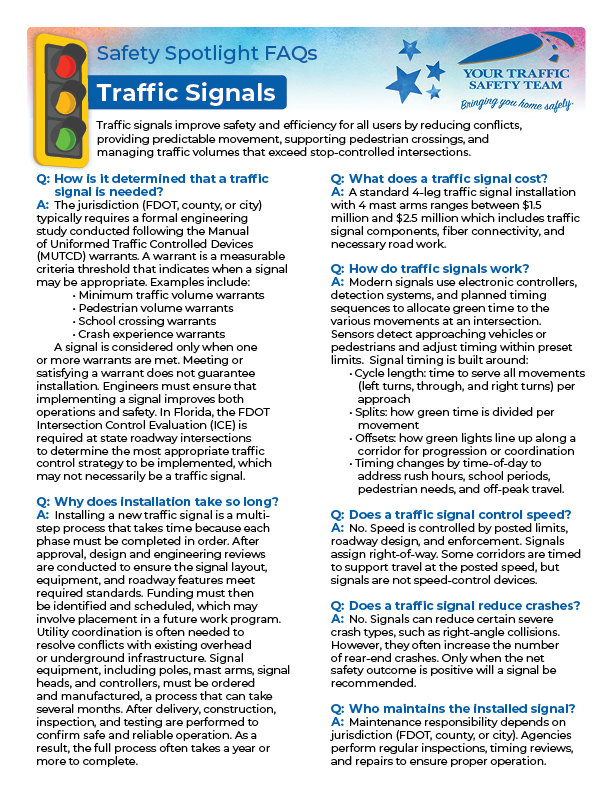
Safety Spotlight FAQs: Traffic Signals

How is it determined that a traffic signal is needed?

The jurisdiction (FDOT, county, or city) typically requires a formal engineering study conducted following the Manual of Uniformed Traffic Controlled Devices (MUTCD) warrants. A warrant is a measurable criteria threshold that indicates when a signal may be appropriate. Examples include:

  • Minimum traffic volume warrants
  • Pedestrian volume warrants
  • School crossing warrants
  • Crash experience warrants

A signal is considered only when one or more warrants are met. Meeting or satisfying a warrant does not guarantee installation.  Engineers must ensure that implementing a signal improves both operations and safety. In Florida, the FDOT Intersection Control Evaluation (ICE) is required at state roadway intersections to determine the most appropriate traffic control strategy to be implemented, which may not necessarily be a traffic signal.

Why does installation take so long?

Installing a new traffic signal is a multi-step process that takes time because each phase must be completed in order. After approval, design and engineering reviews are conducted to ensure the signal layout, equipment, and roadway features meet required standards. Funding must then be identified and scheduled, which may involve placement in a future work program. Utility coordination is often needed to resolve conflicts with existing overhead or underground infrastructure. Signal equipment, including poles, mast arms, signal heads, and controllers, must be ordered and manufactured, a process that can take several months. After delivery, construction, inspection, and testing are performed to confirm safe and reliable operation. As a result, the full process often takes a year or more to complete.

What does a traffic signal cost? 

A standard 4-leg traffic signal installation with 4 mast arms ranges between $1.5 million and $2.5 million, which includes traffic signal components, fiber connectivity, and necessary road work.

How do traffic signals work? 

Modern signals use electronic controllers, detection systems, and planned timing sequences to allocate green time to the various movements at an intersection. Sensors detect approaching vehicles or pedestrians and adjust timing within preset limits.  Signal timing is built around:

  • Cycle length: time to serve all movements (left turns, through, and right turns) per approach
  • Splits: how green time is divided per movement
  • Offsets: how green lights line up along a corridor for progression or coordination
  • Timing changes by time-of-day to address rush hours, school periods, pedestrian needs, and off-peak travel.

Does a traffic signal control speed? 

No. Speed is controlled by posted limits, roadway design, and enforcement. Signals assign right-of-way. Some corridors are timed to support travel at the posted speed, but signals are not speed-control devices.

Does a traffic signal reduce crashes?

No. Signals can reduce certain severe crash types, such as right-angle collisions. However, they often increase the number of rear-end crashes. Only when the net safety outcome is positive will a signal be recommended.

Who maintains the installed signal?

Maintenance responsibility depends on jurisdiction (FDOT, county, or city). Agencies perform regular inspections, timing reviews, and repairs to ensure proper operation.

Continue Reading

Move Over or Slow Down

Every January is Move Over Month in Florida. The Northeast Florida Department of Transportation District Two Community Traffic Safety Program reminds all motorists to obey Florida’s Move Over Law. This law helps to protect those who protect us while they provide essential services in a dangerous environment – the side of the road.

Florida law requires motorists to move over a lane — when they can safely do so — or slow down by 20 mph below the posted speed limit for the following stopped along the roadway:

  • Law enforcement.
  • Emergency responders.
  • Sanitation and utility service vehicles.
  • Tow trucks or wreckers.
  • Maintenance or construction vehicles.
  • Disabled vehicles.
Move Over or Slow Down
Move Over
Slow Down if unable to move over
Slow down if unable to move over
Pull over for emergency and law enforcement vehicles
Pull over for moving emergency and law enforcement vehicles

Florida’s Move Over Law expanded in 2021 to include service vehicles and again in 2024 to include disabled motorists

In addition to first responders, this law, as of 2021, also applies to other public servants and roadside workers. Drivers typically know to move over for law enforcement, fire rescue, and emergency medical services. Many still do not realize the law requires them to move over for sanitation, utility, wrecker, maintenance, and construction vehicles. Basically, if motorists see a service vehicle on the side of the road with flashing warning lights, they need to change lanes or slow down.

Florida lawmakers took action to enhance protection for all roadway users. Effective January 1, 2024, the expanded Move Over law adds three scenarios to Florida’s current law. Motorists will be required to move over if:

  • There is a disabled motor vehicle that is stopped and displaying warning lights or hazard lights.
  • If a vehicle is stopped and is using emergency flares or posting emergency signage.
  • When a vehicle is stopped and one or more persons are visibly present.
Florida Law, Move Over and Slow Down for Stopped Emergency and Service Vehicles

In 2022, there were 170 crashes and more than 14,000 citations issued for motorists failing to move over in Florida, according to the Florida Department of Highway Safety and Motor Vehicles (FLHSMV). Obeying Florida’s Move Over law will help ensure all personnel working and motorists disabled along our roadways get home safely.

Move Over

  • As soon as it is safe to do so, vacate the lane closest to the stopped law enforcement, emergency, sanitation, utility service vehicles, tow trucks or wreckers, maintenance or construction vehicles with displaying warning lights, and any disabled vehicle on the side of the road when driving on an interstate highway or other highways with two or more lanes.
  • Always signal your intention to change lanes.
  • Be prepared to allow those who are attempting to move over into the next lane.

Slow Down

  • If moving over cannot be safely accomplished, or when on a two-lane road, slow down to a speed that is 20 mph less than the posted speed limit when the posted speed limit is 25 mph or greater, or travel at 5 mph when the posted speed limit is 20 mph or less when driving on a two-lane road.

Violating the Move Over law puts you and others at risk, and a citation will result in a fine, fees, and points on your driving record. To read the Florida Statue, see 316.126 – Operation of vehicles and actions of pedestrians on approach of an authorized emergency, sanitation, or utility service vehicle.

Pull Over for Moving Emergency Vehicles

Additionally, motorists should always remember to pay attention while driving and pull over for emergency vehicles approaching from behind. Help emergency services reach their destination safely by:

  • Yielding the right of way.
  • Moving to the closest, safe edge of the roadway.
  • Clearing the intersection.
  • Remaining stopped until the emergency vehicle has passed.
  • Proceeding with caution and courtesy when merging back into the roadway.

CarFit Technician Training

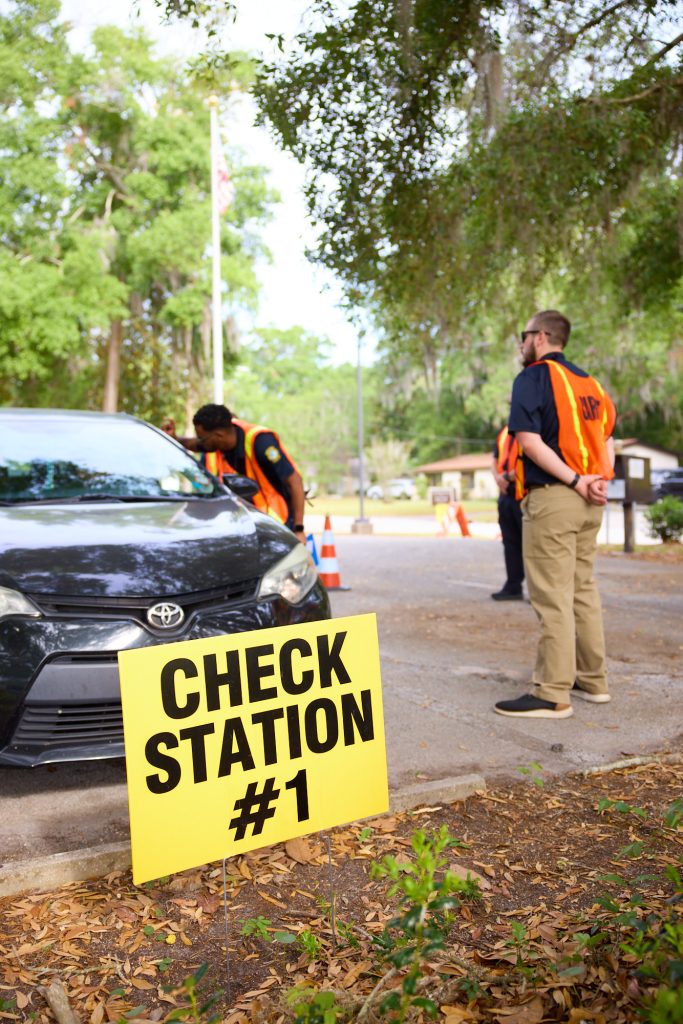
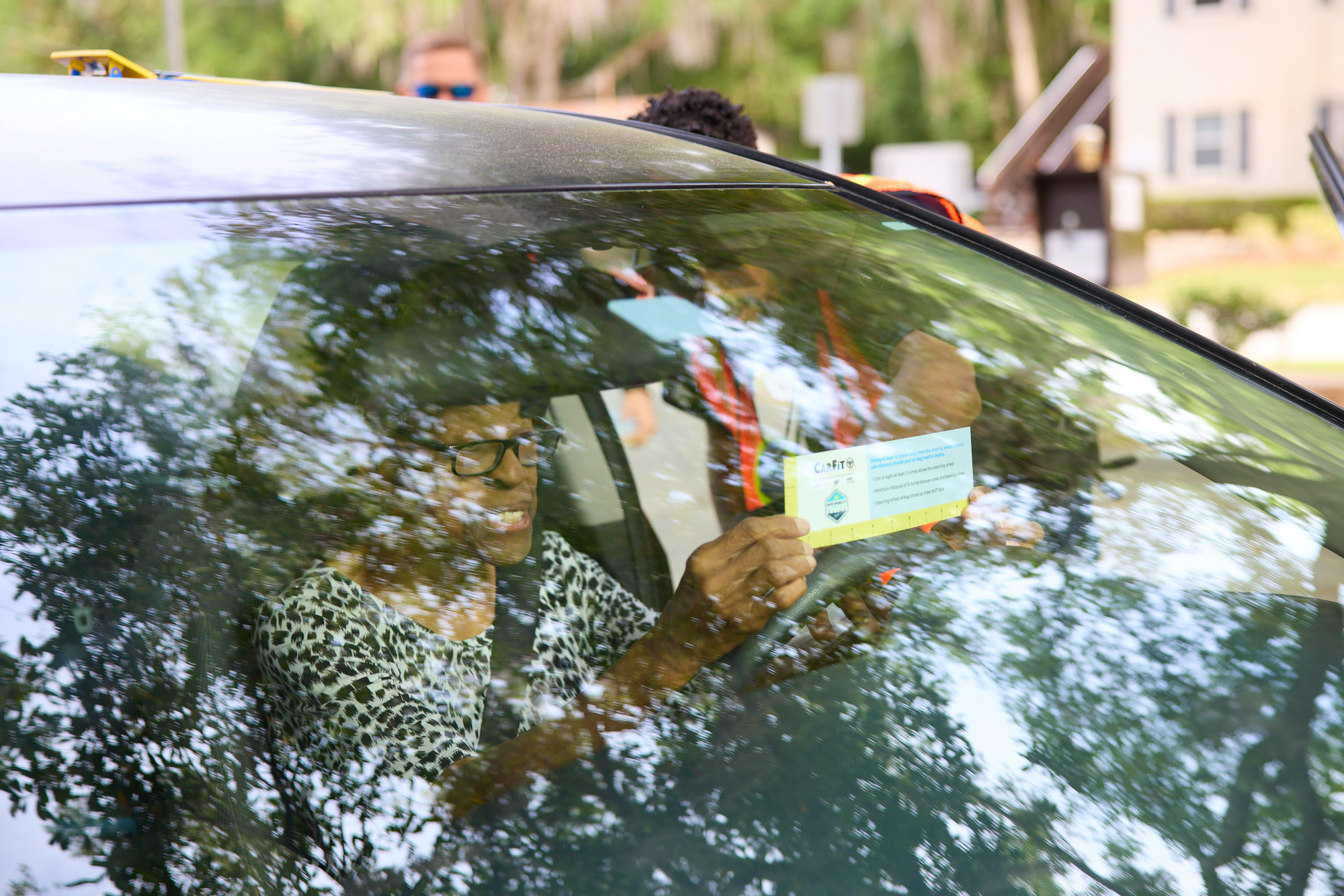
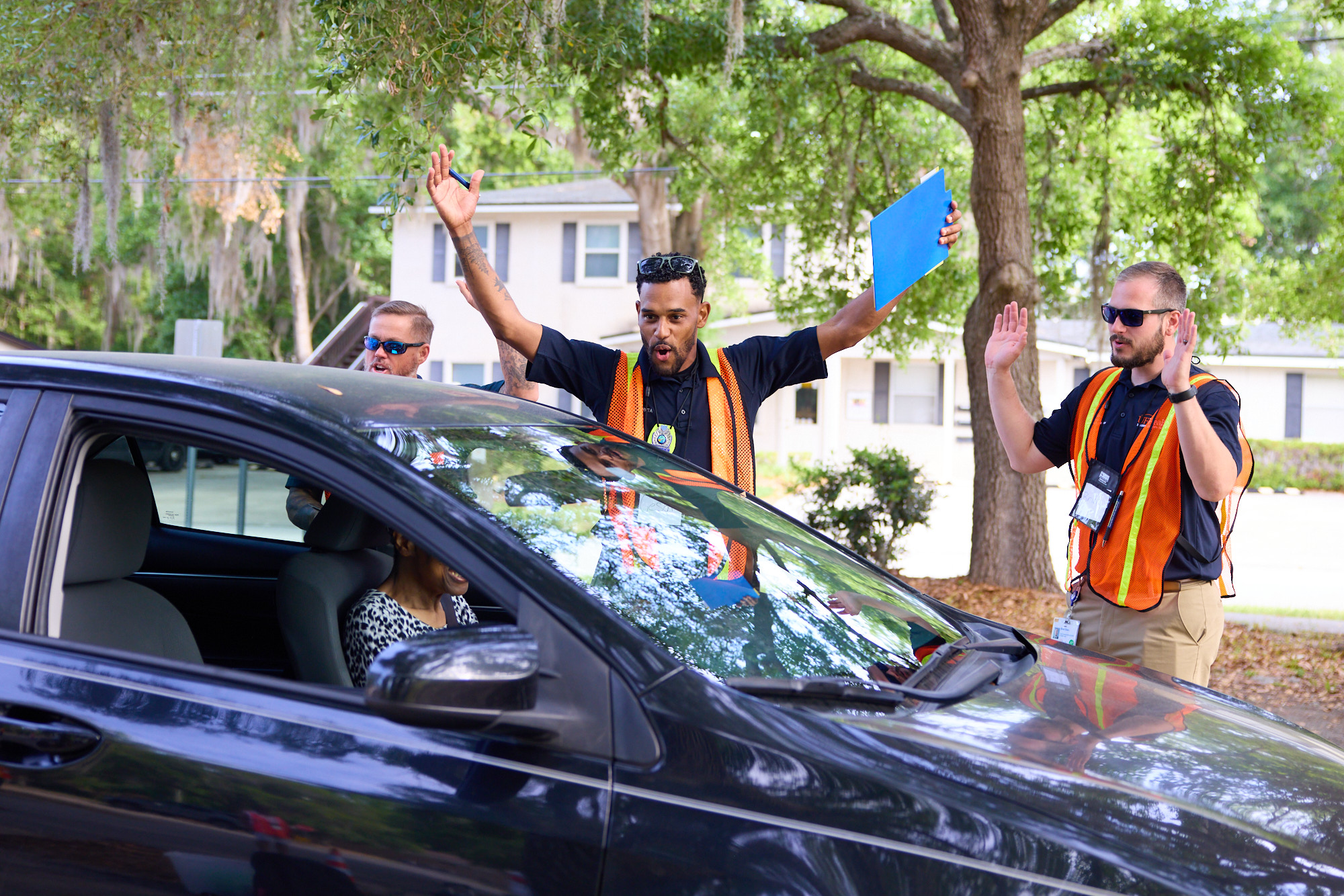
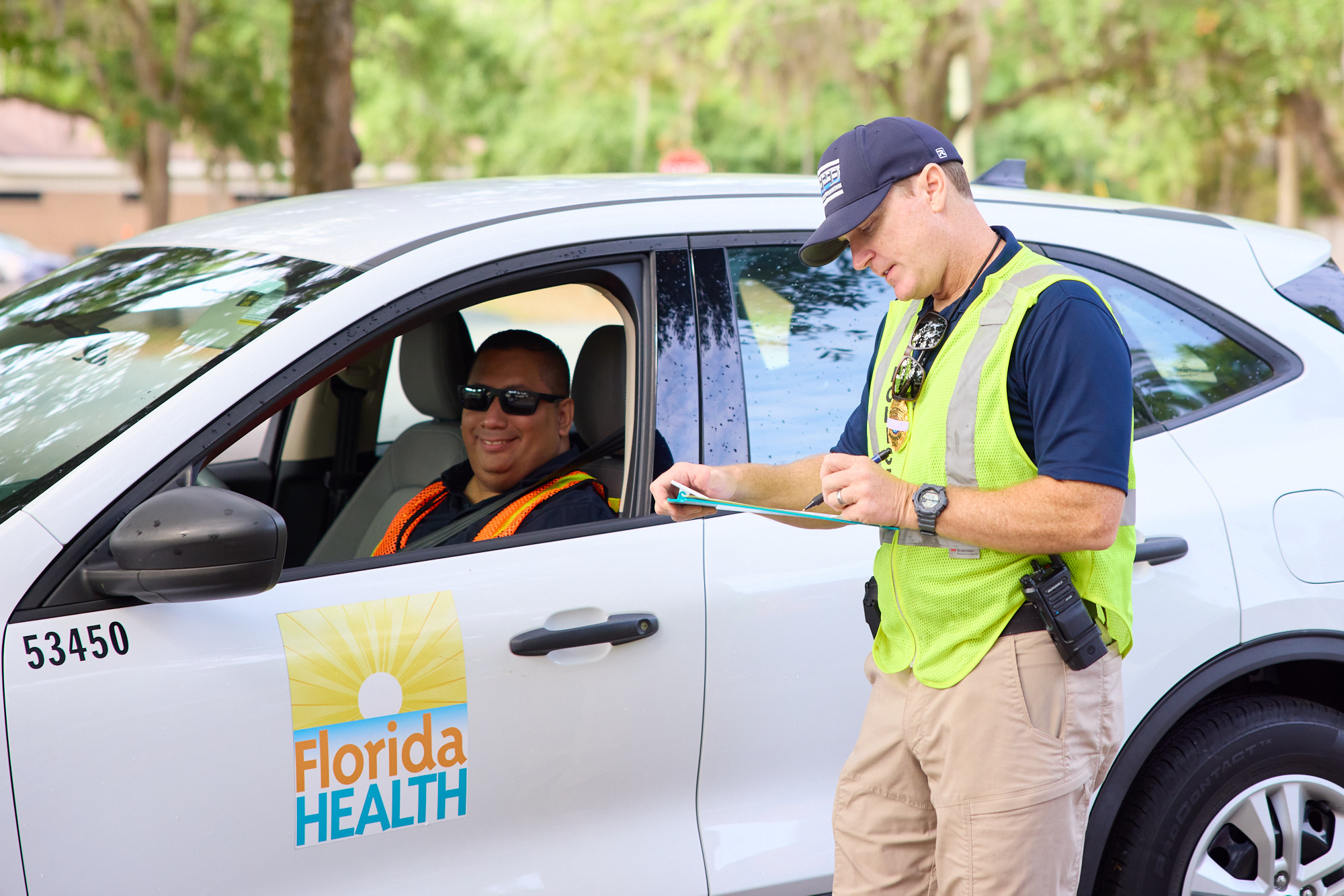
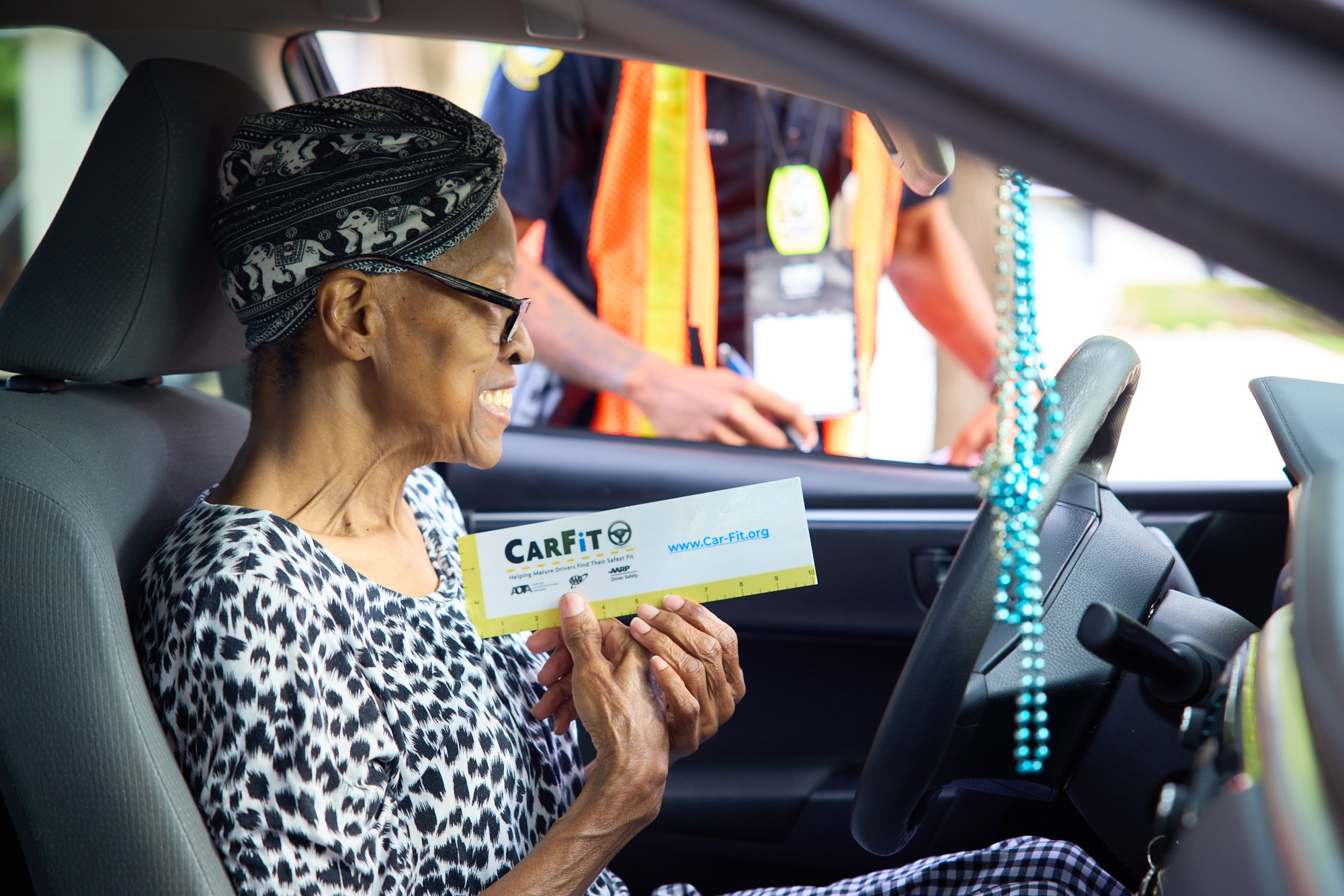
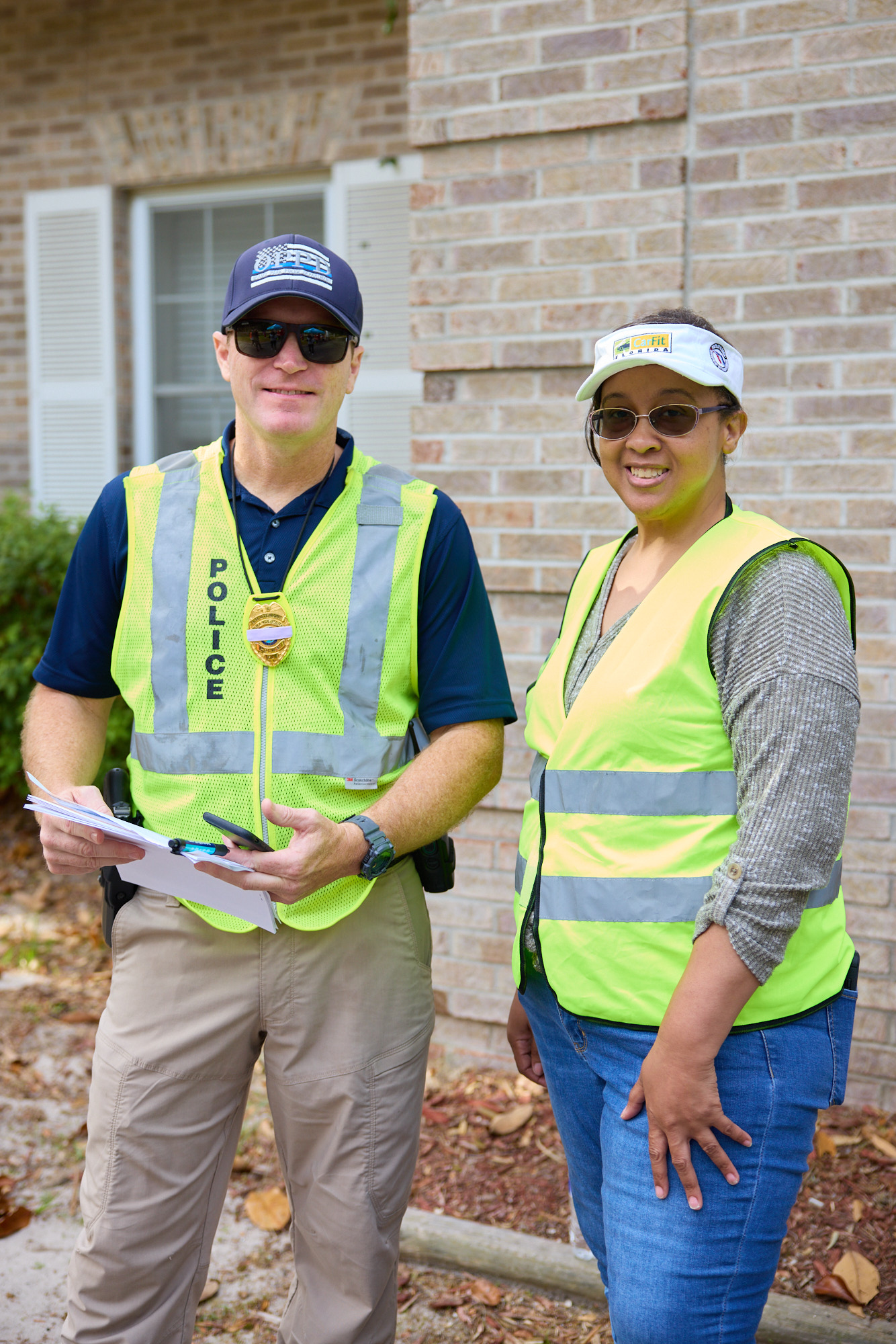
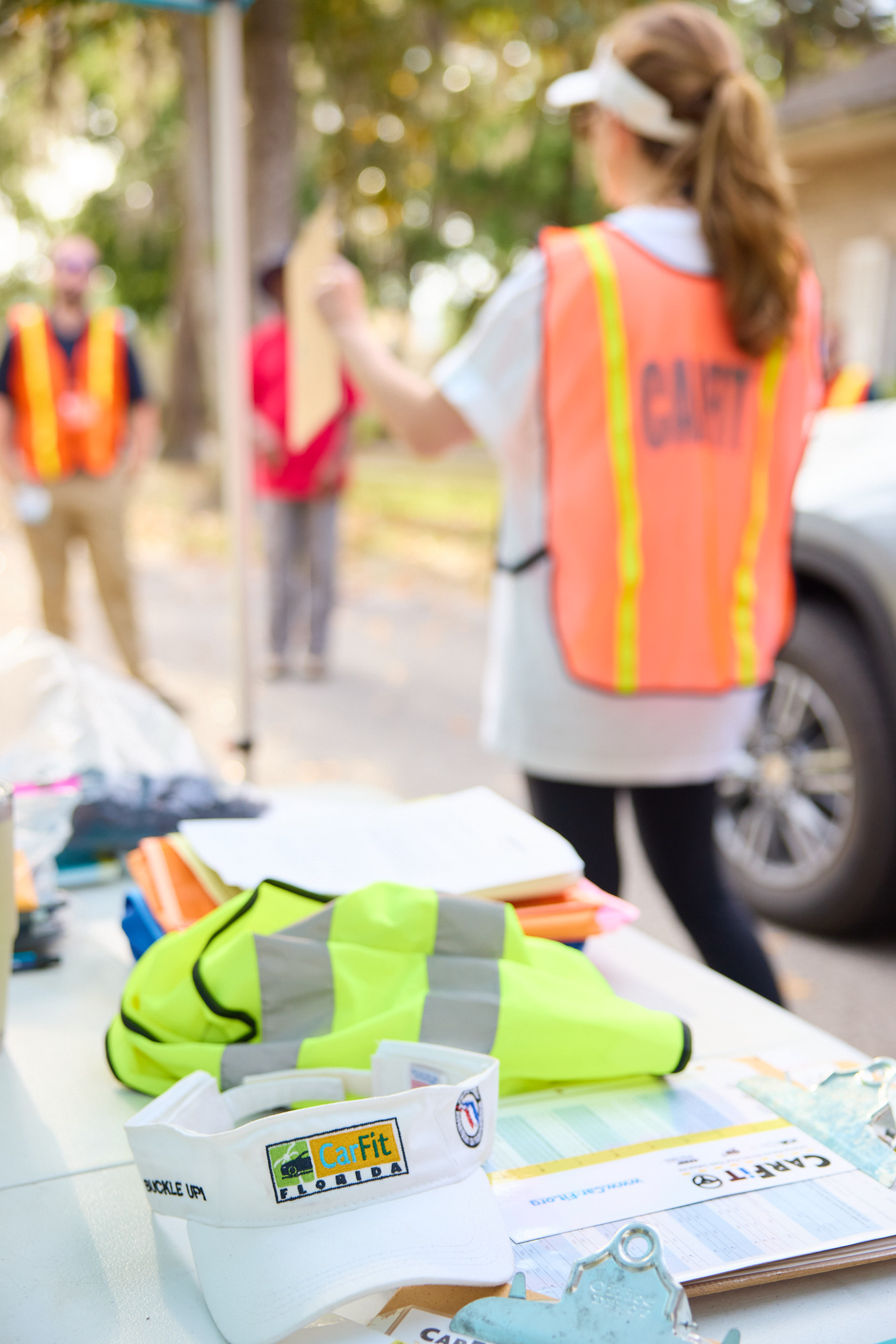
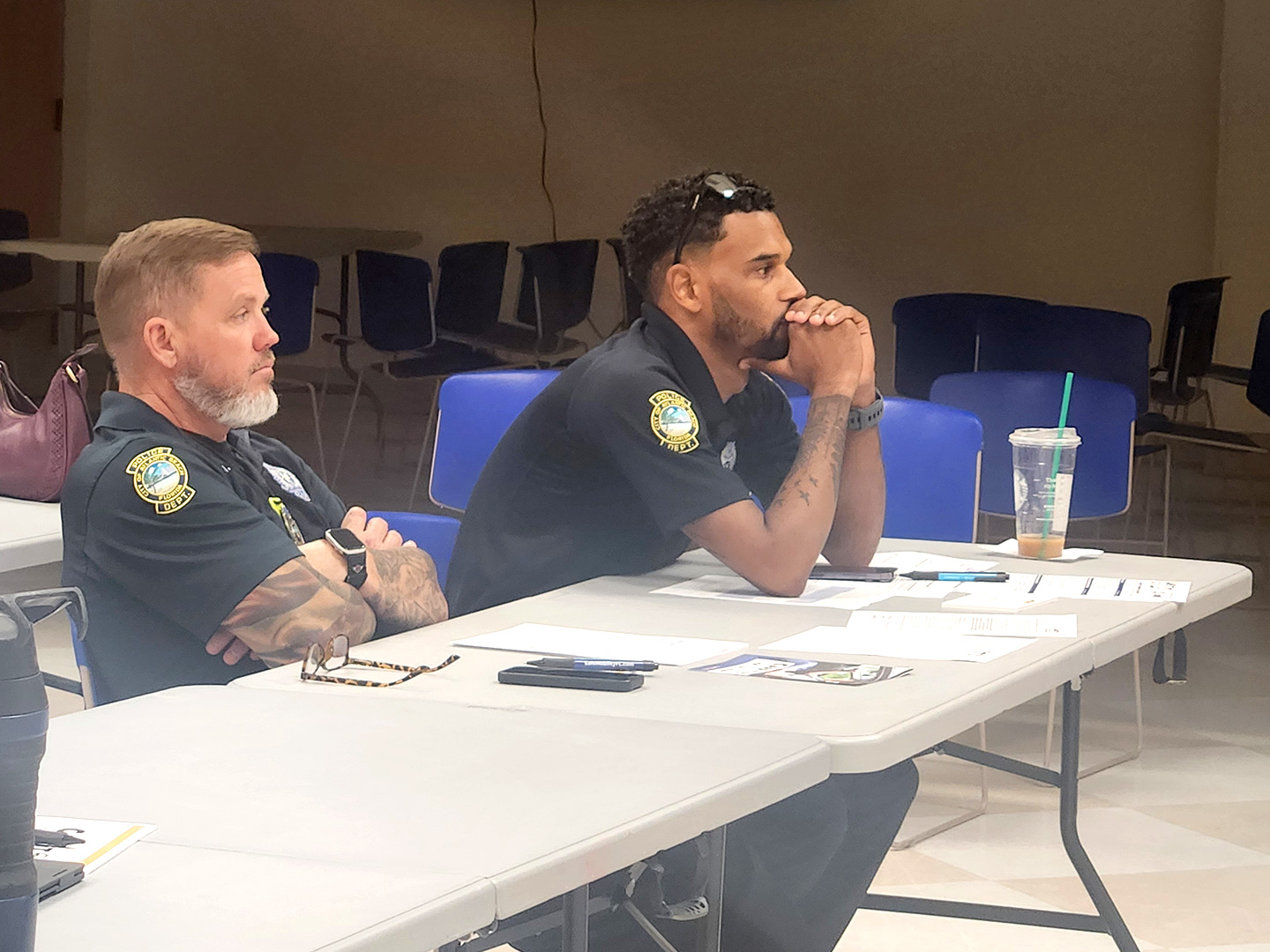
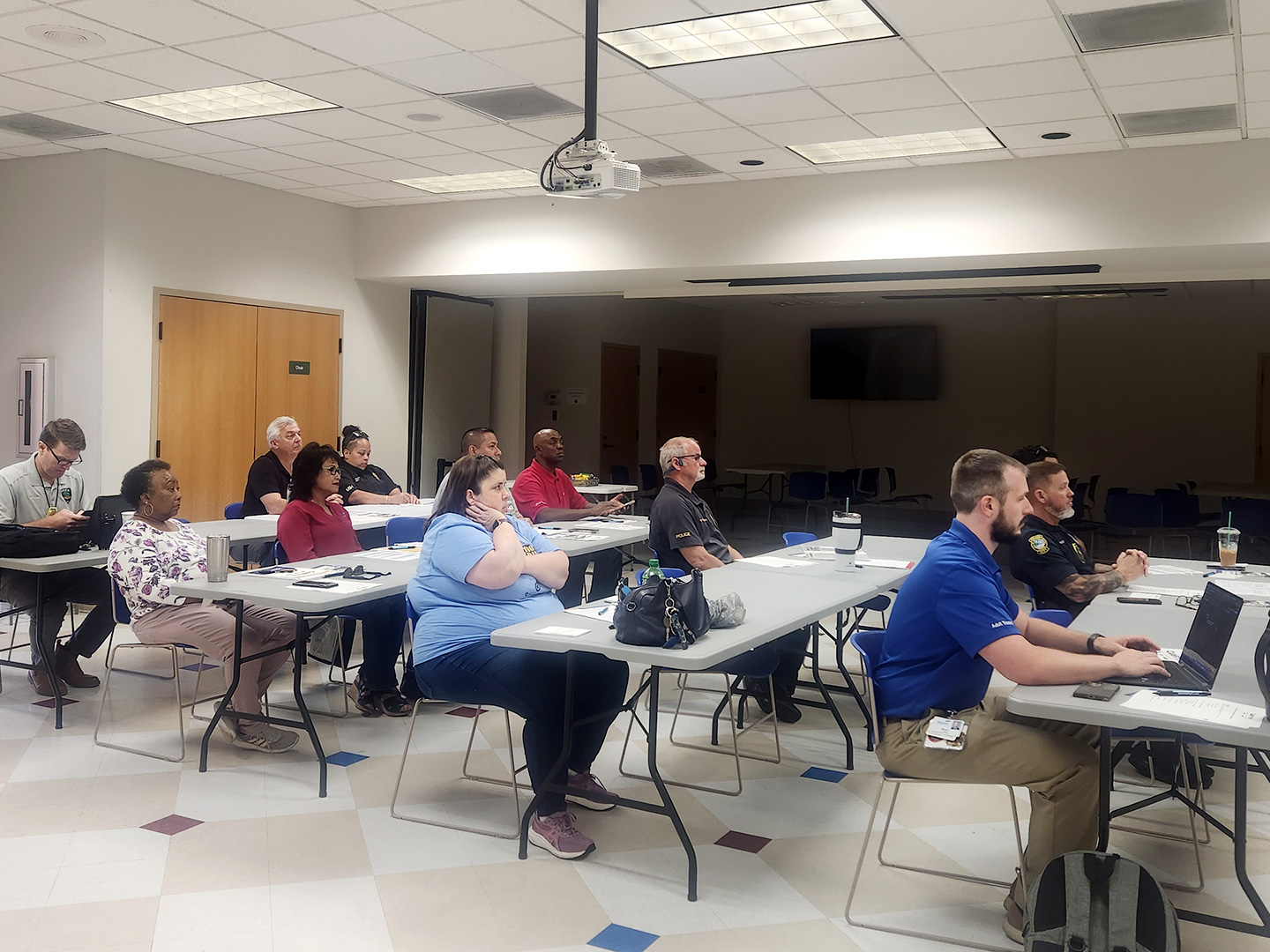
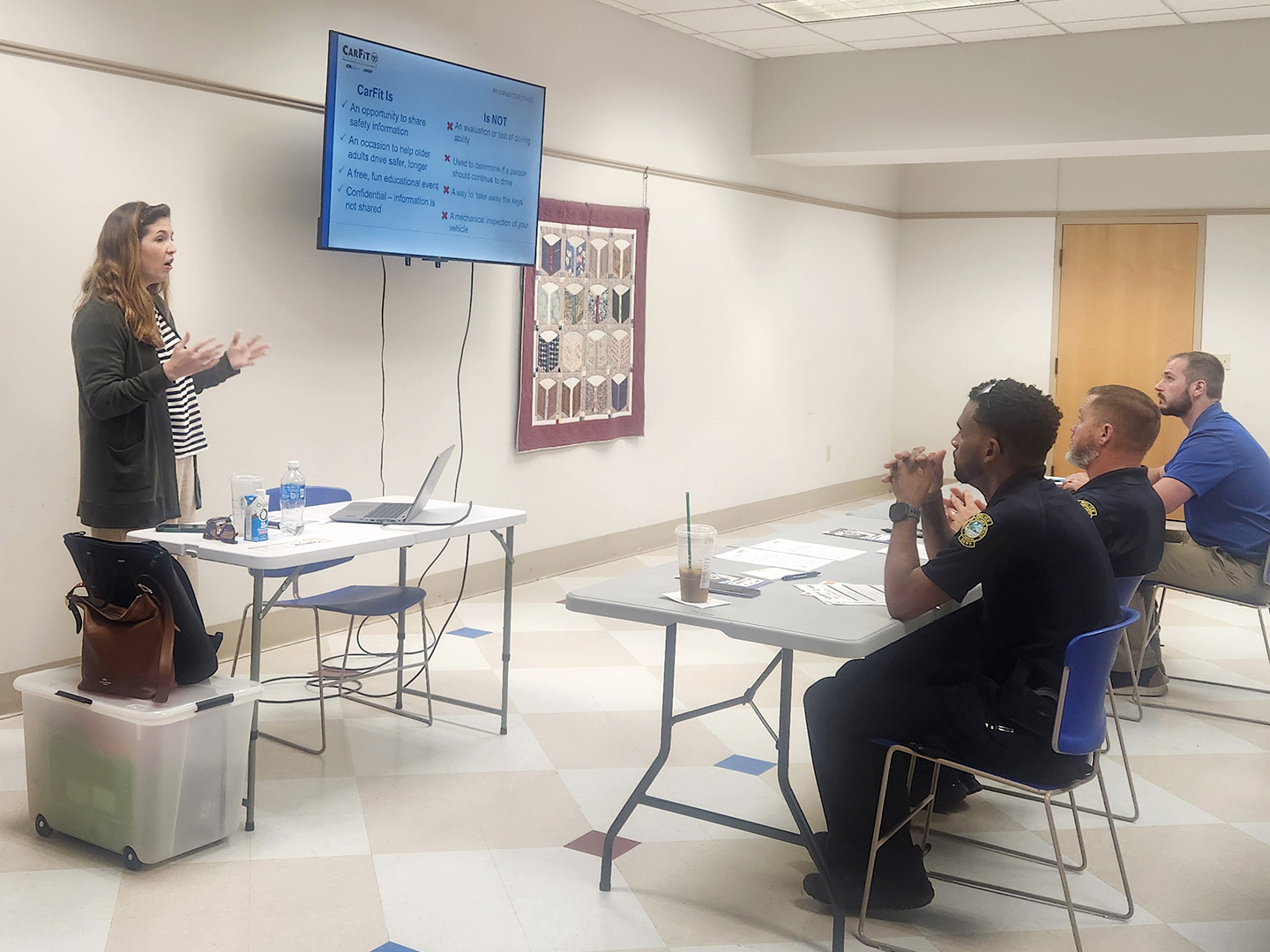
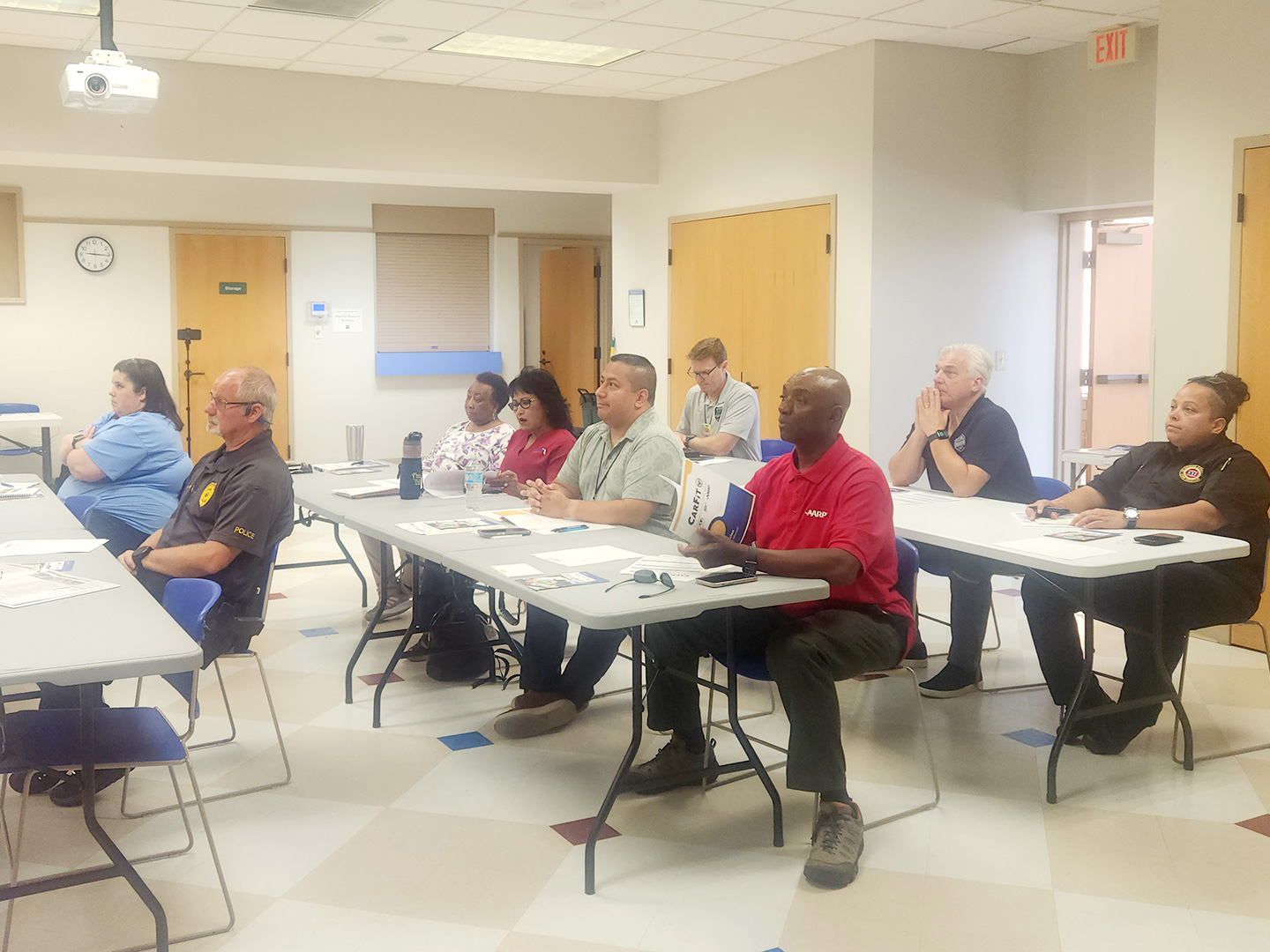
We were excited to bring a great opportunity to Northeast Florida for our Traffic Safety Team members and associates to become trained CarFit Technicians. Technicians help drivers improve the “fit” of their vehicles for safety and comfort. Safe Mobility for Life, FDOT’s District Two Community Traffic Safety Program, Clay County Senior Services of Aging True, and the Town of Orange Park Police Department hosted the regional CarFit Technician Training & Checkup Event.

A Successful CarFit Event in Orange Park!

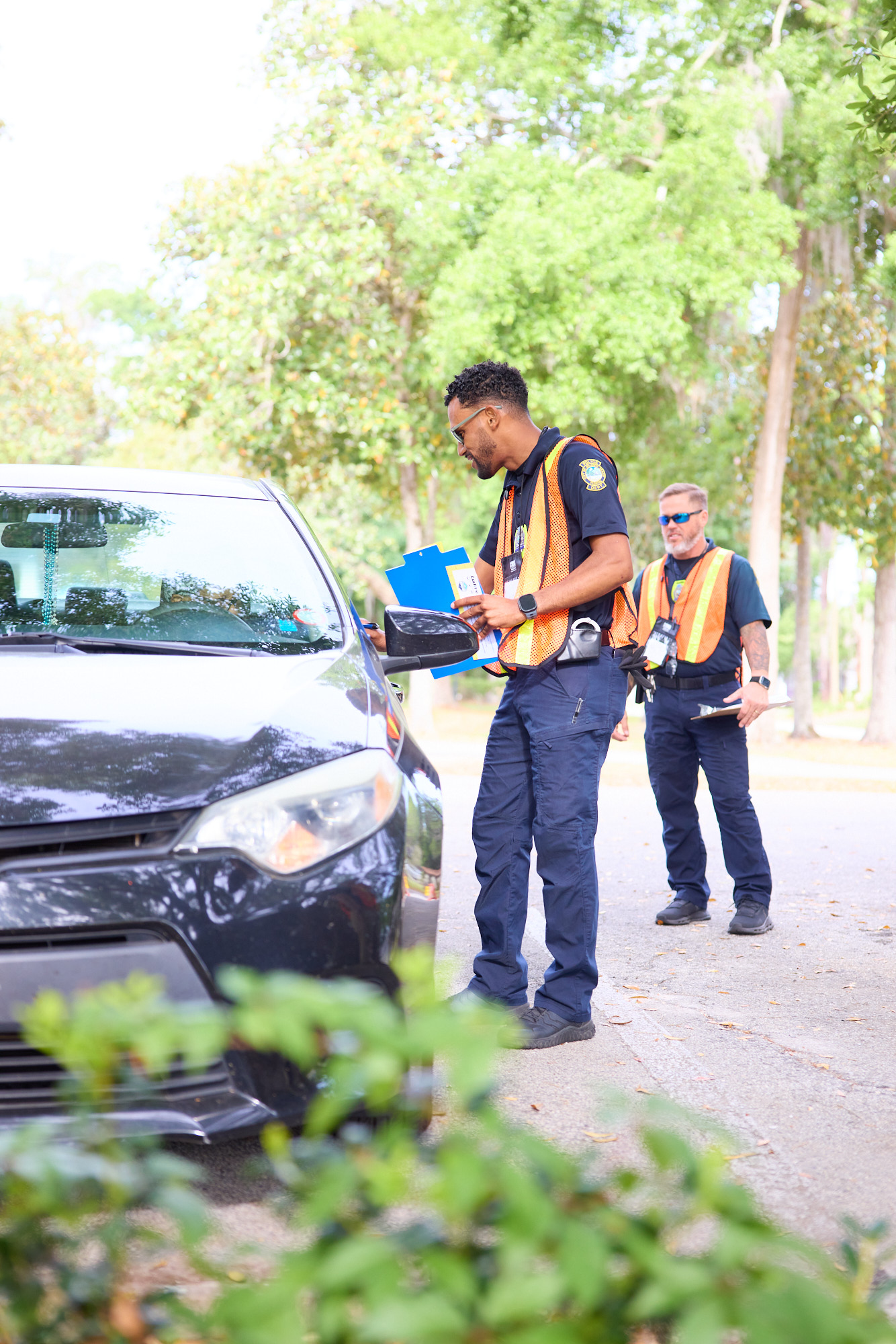
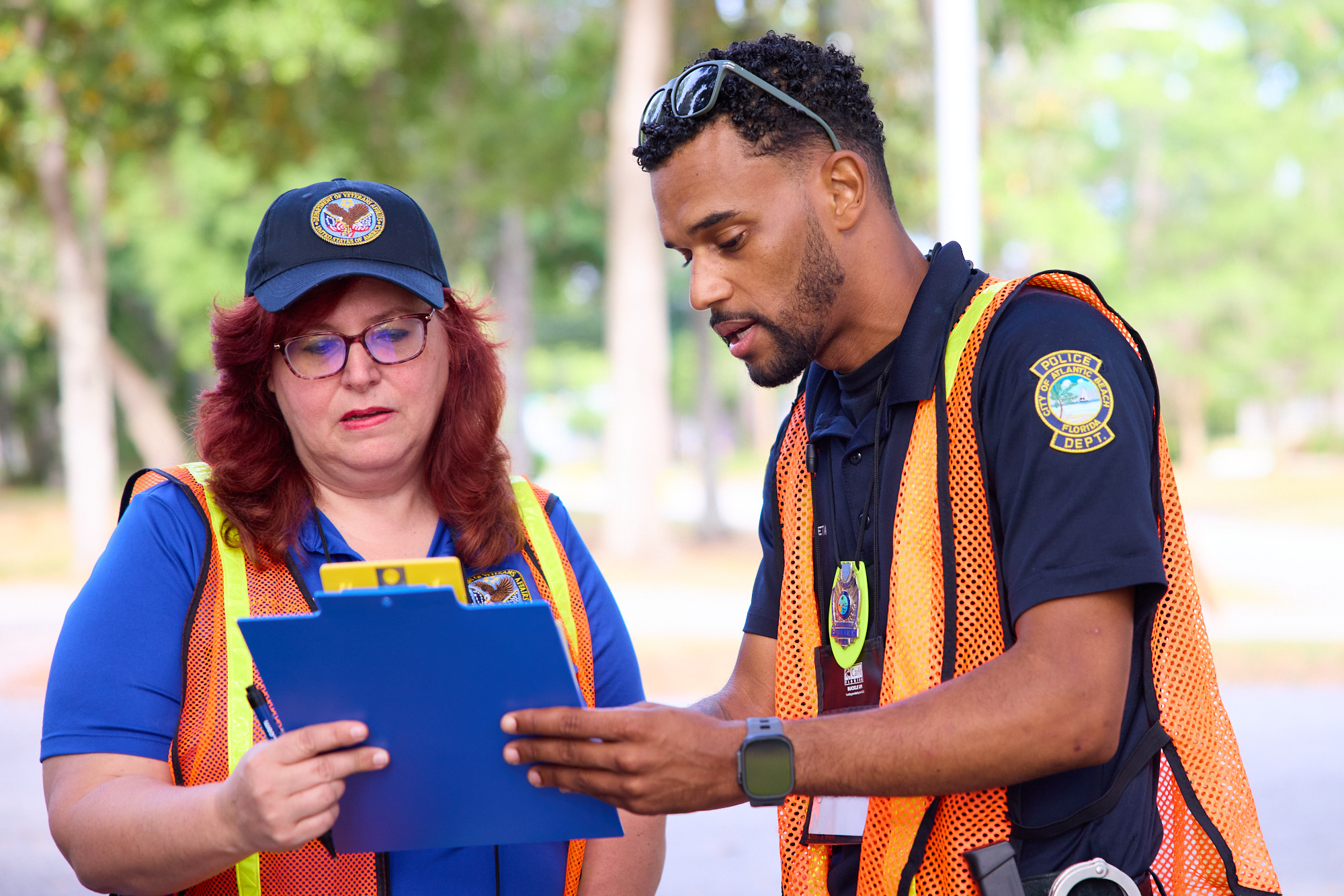
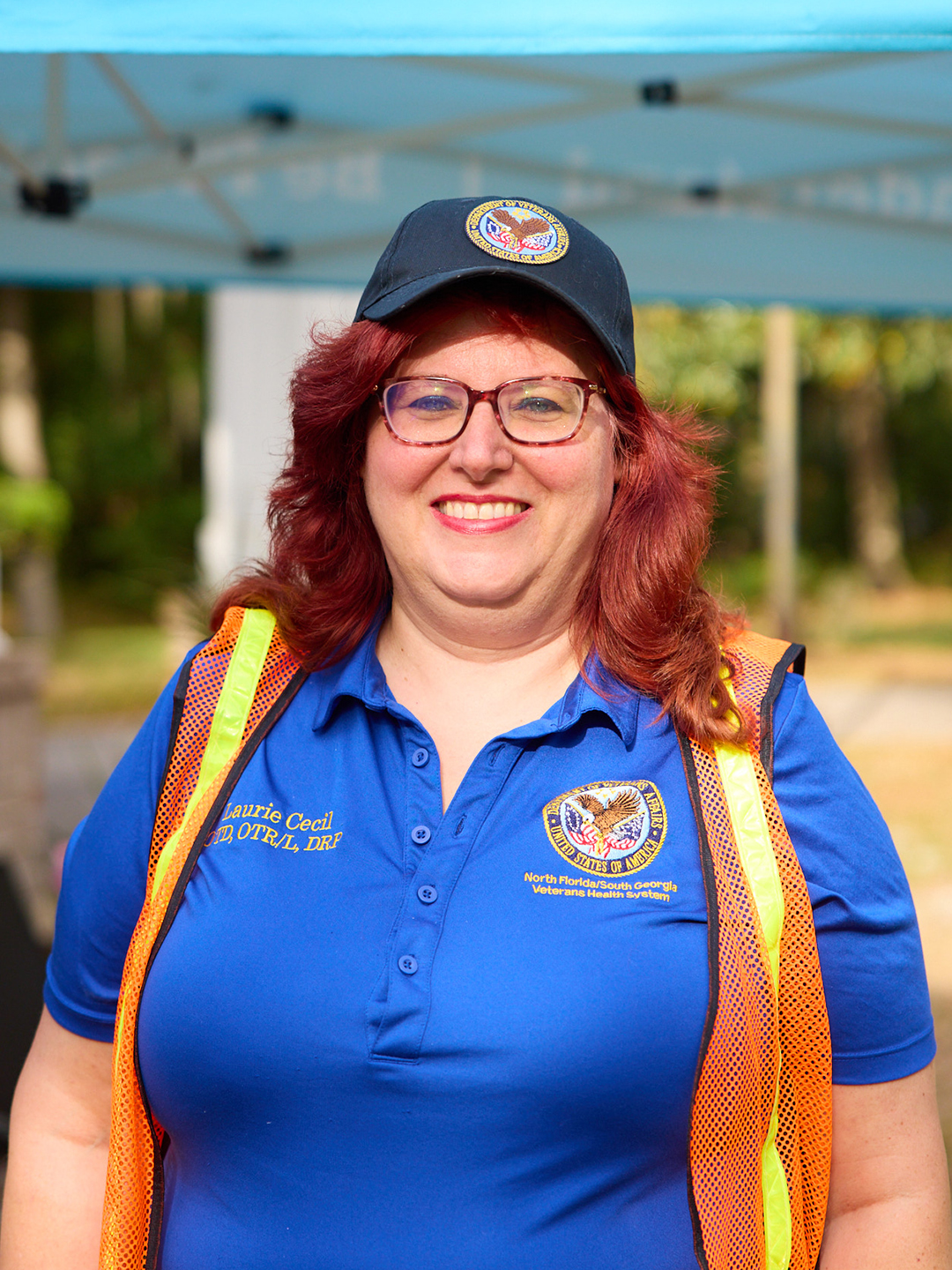
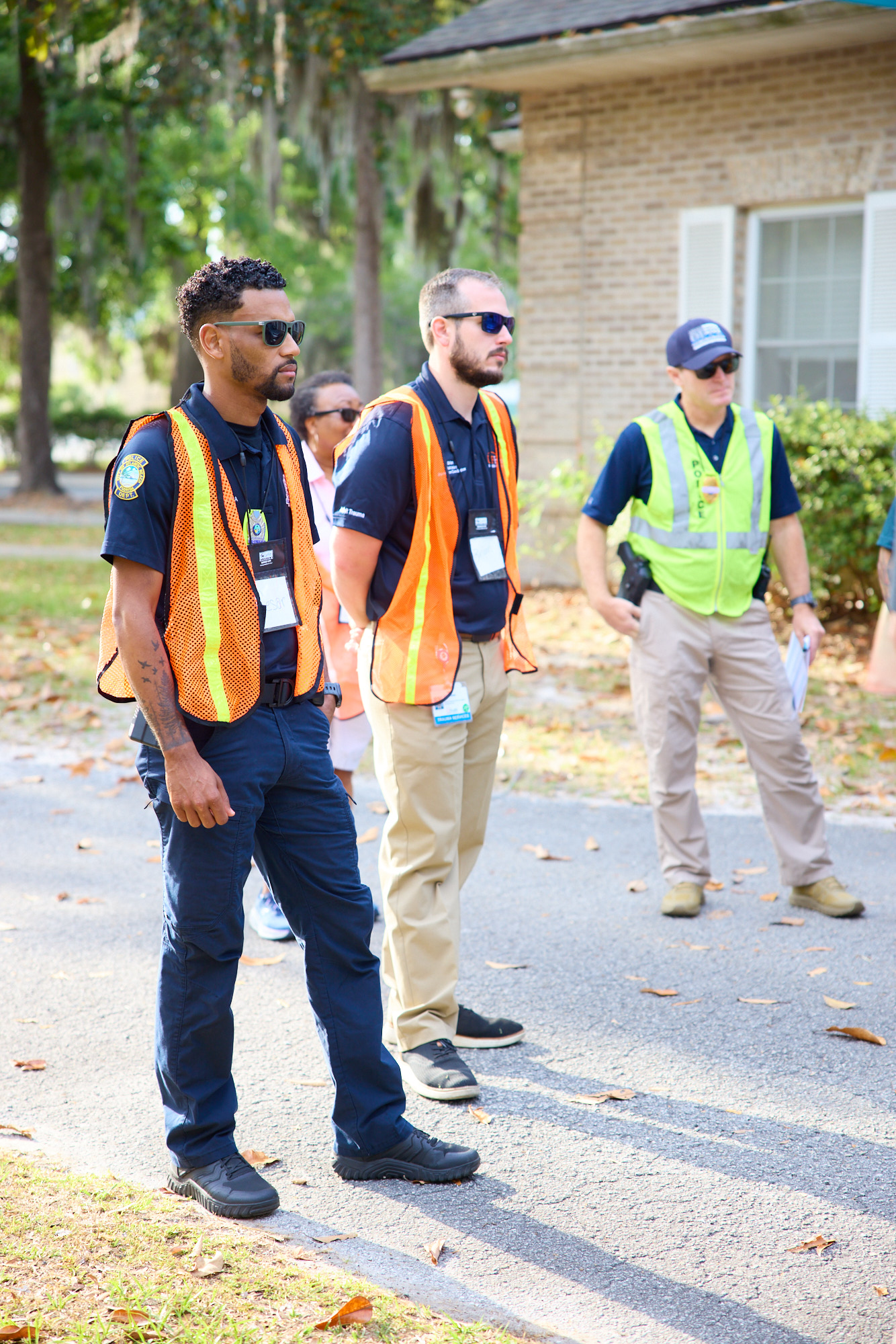
We’re thrilled to share that our recent CarFit Technician Training and Event was a tremendous success! The training certified 14 new technicians and prepared 9 future Event Coordinators, including representatives from AARP, Alachua County Fire Rescue, Atlantic Beach Police Department, Clay Department of Health, FDOT Northeast Florida, Lawtey Police Department, Orange Park Police Department, UF Health, and Veterans Affairs. A heartfelt thank you goes out to the dedicated members of the Traffic Safety Team who participated and brought such positive energy and commitment to the day.

Highlight Video from our CarFit Checkup Event on 4/26/25

The CarFit Technician Training covered how to:

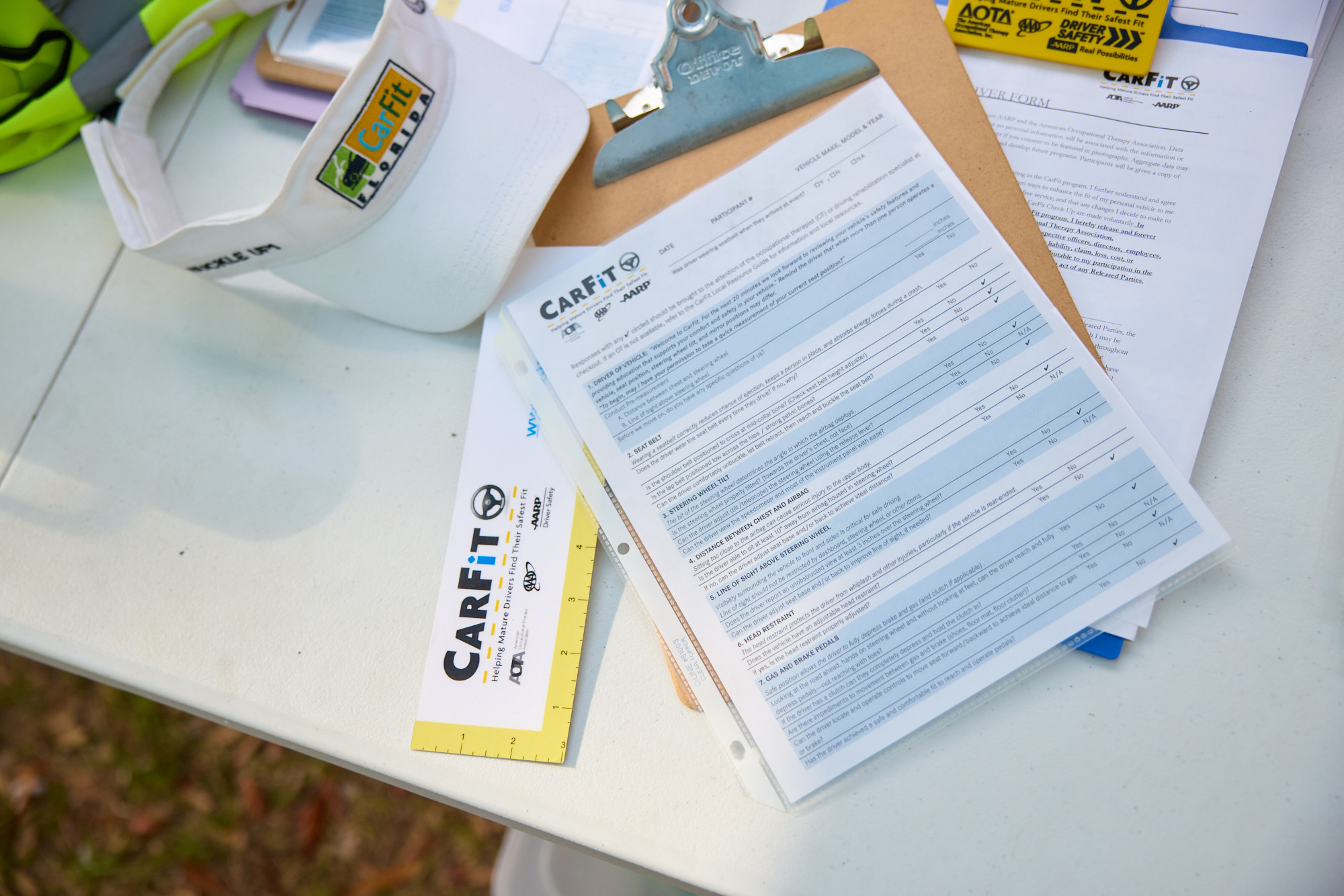
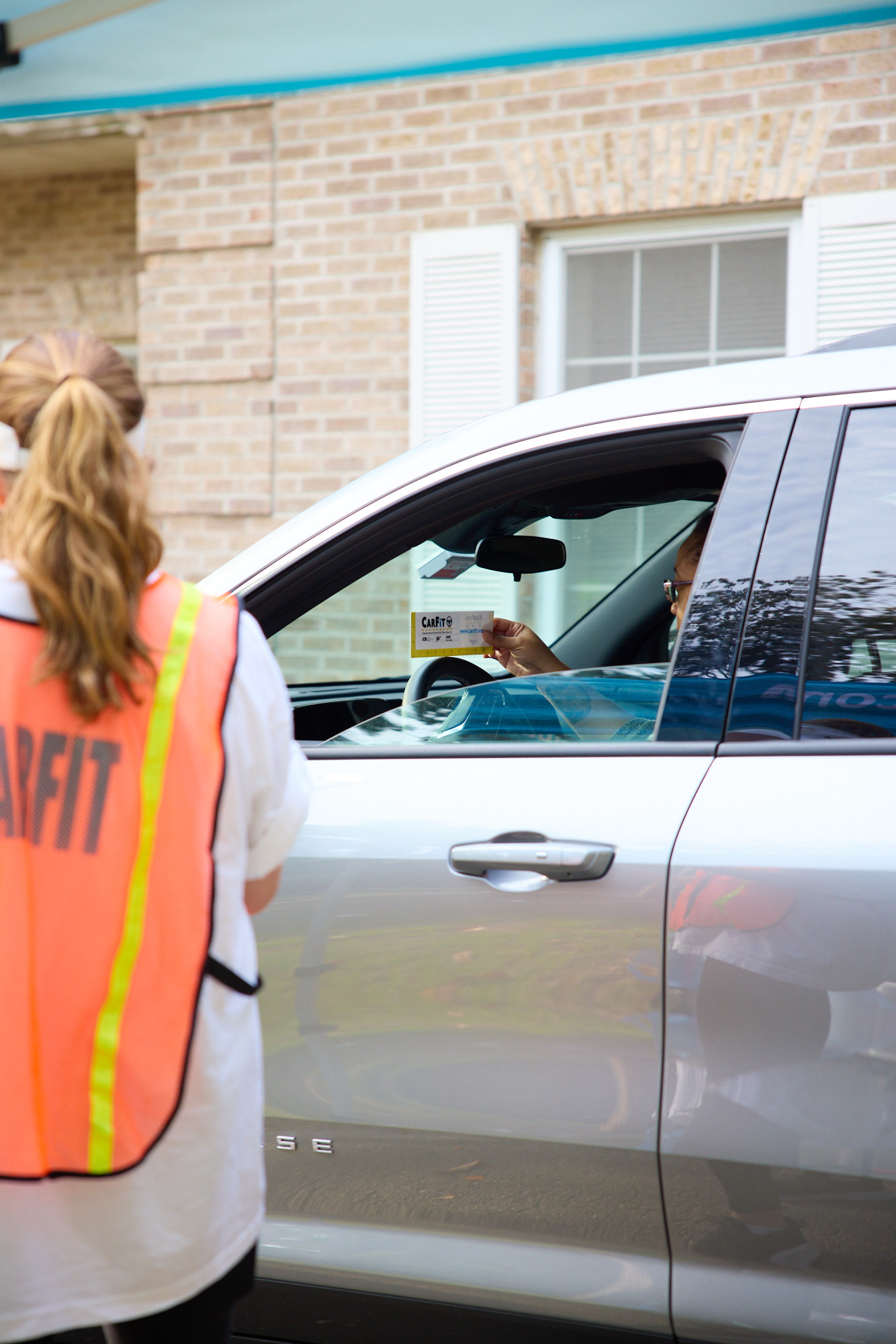
  • Take drivers through a CarFit event safely following a triage approach: Check-in, Check-up, and Check-out
  • Complete a CarFit check-up following a 12-point checklist of key safety features
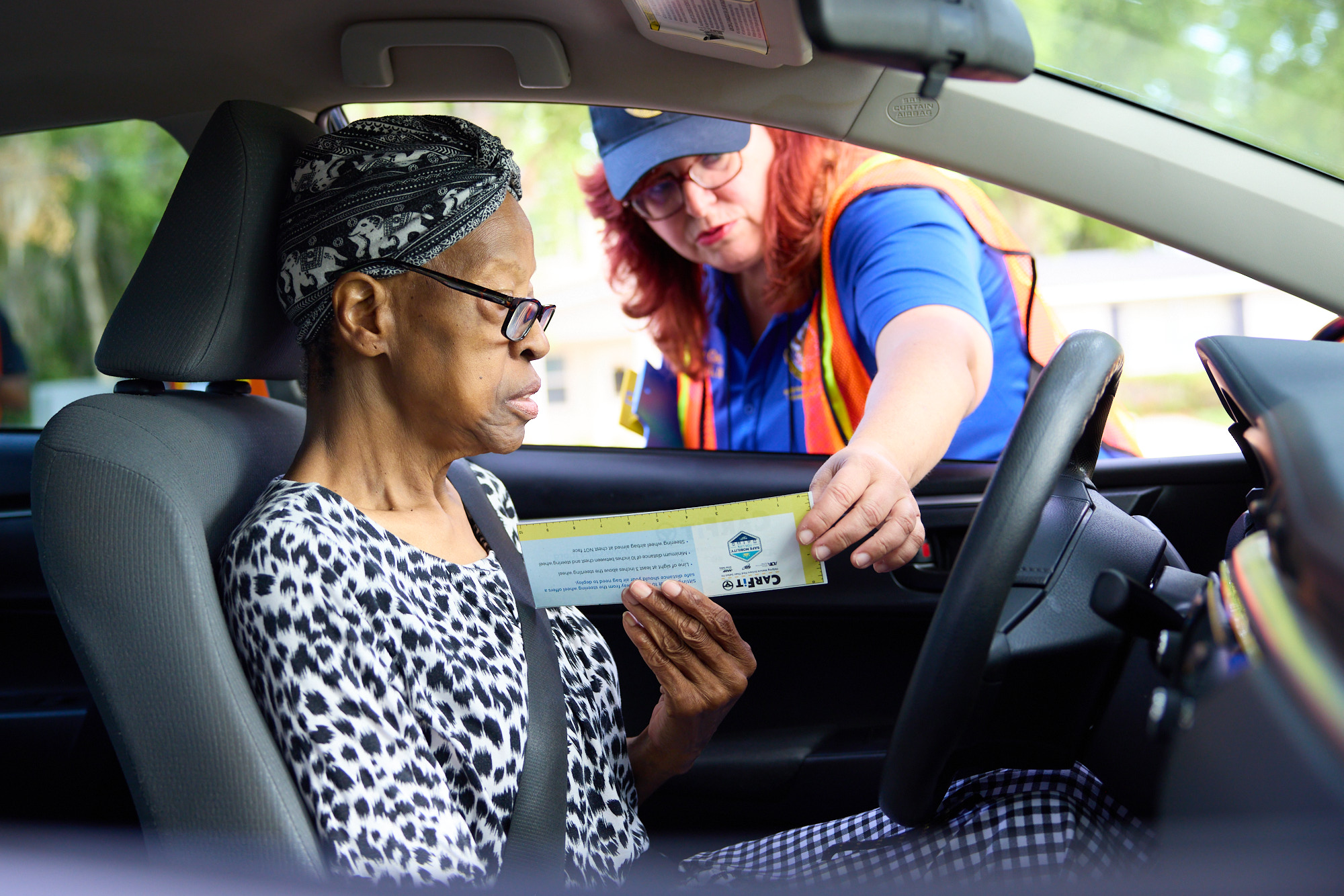
  • Make recommendations on adjustments that will help the driver improve their “fit” in their vehicle for safety and comfort

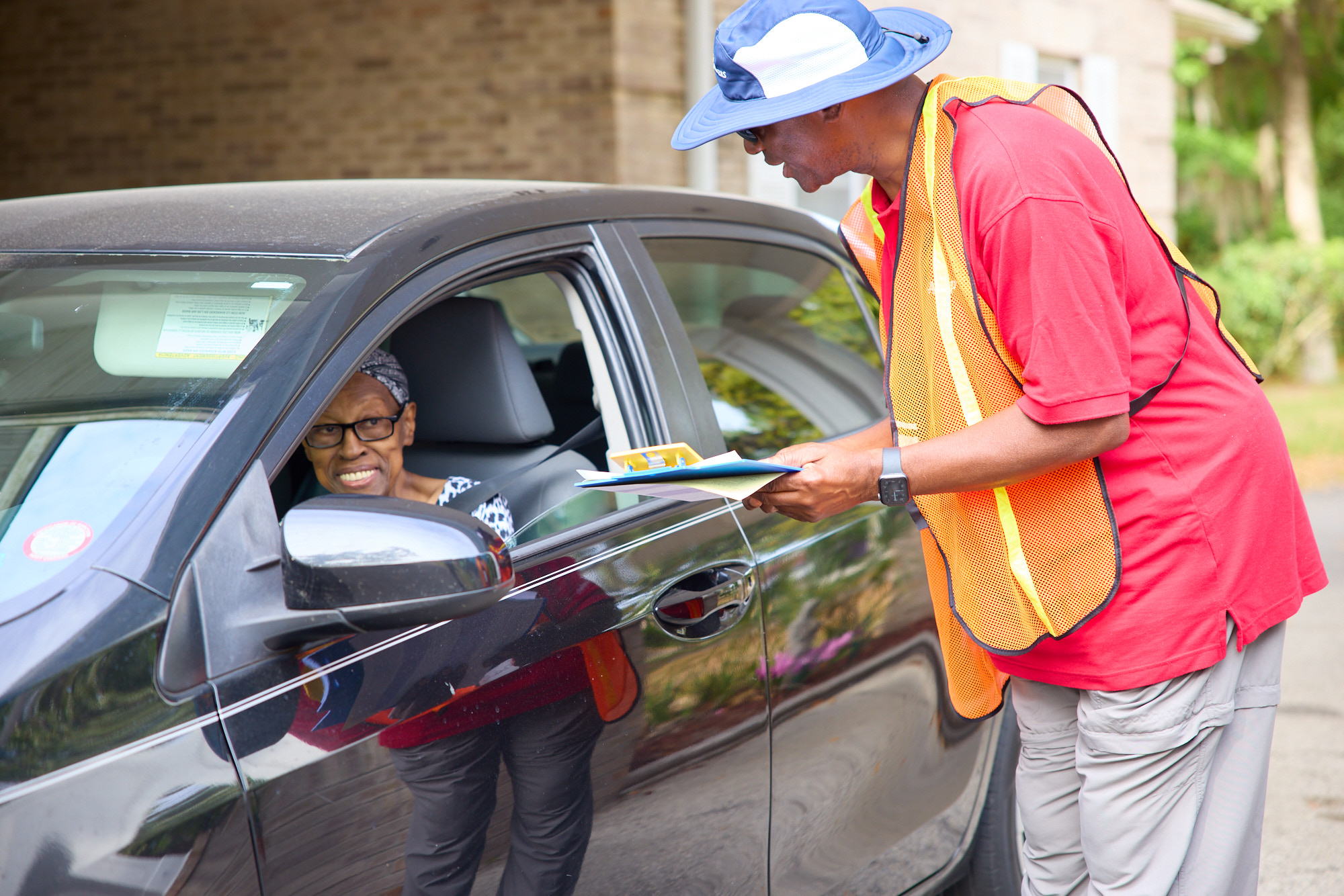
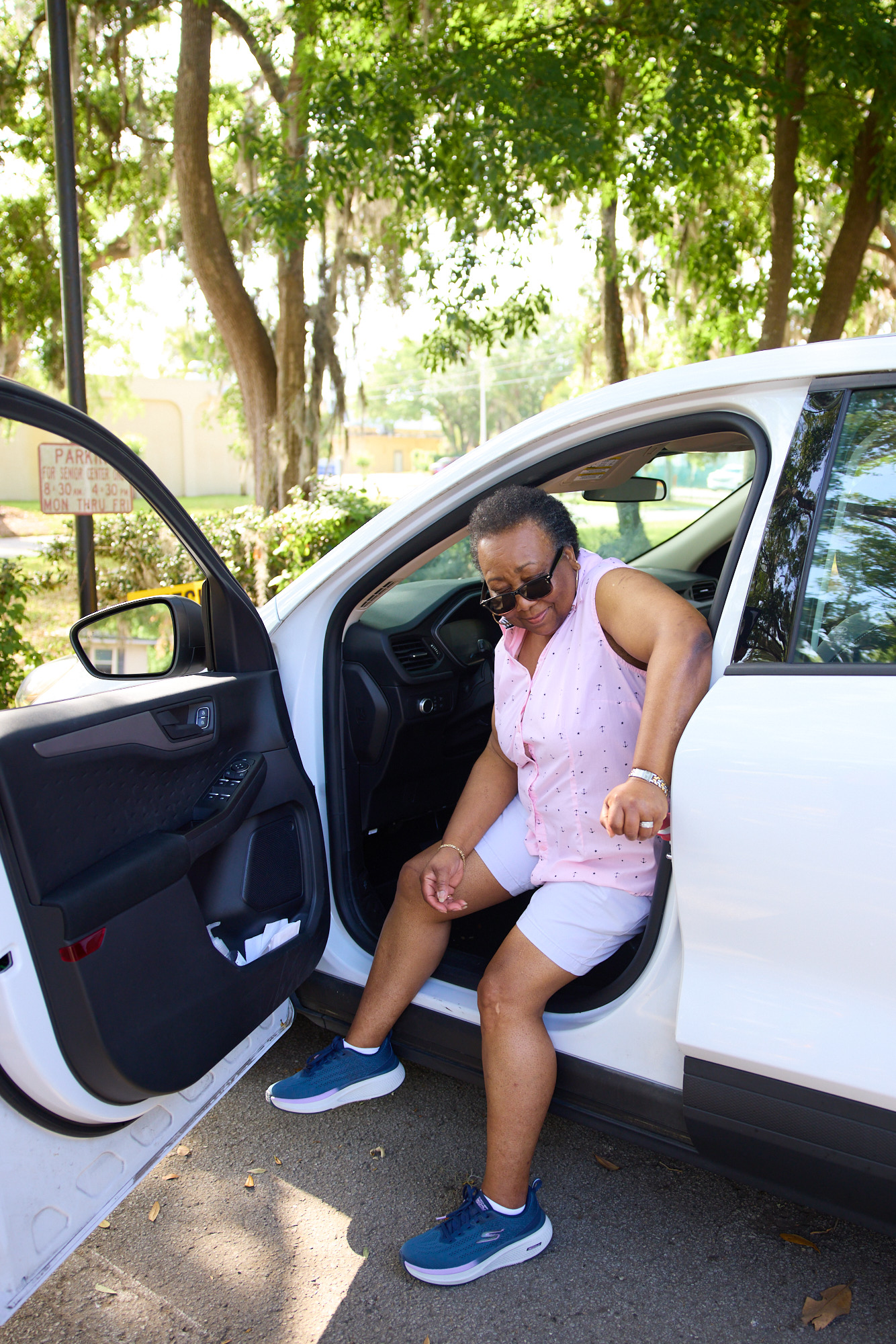
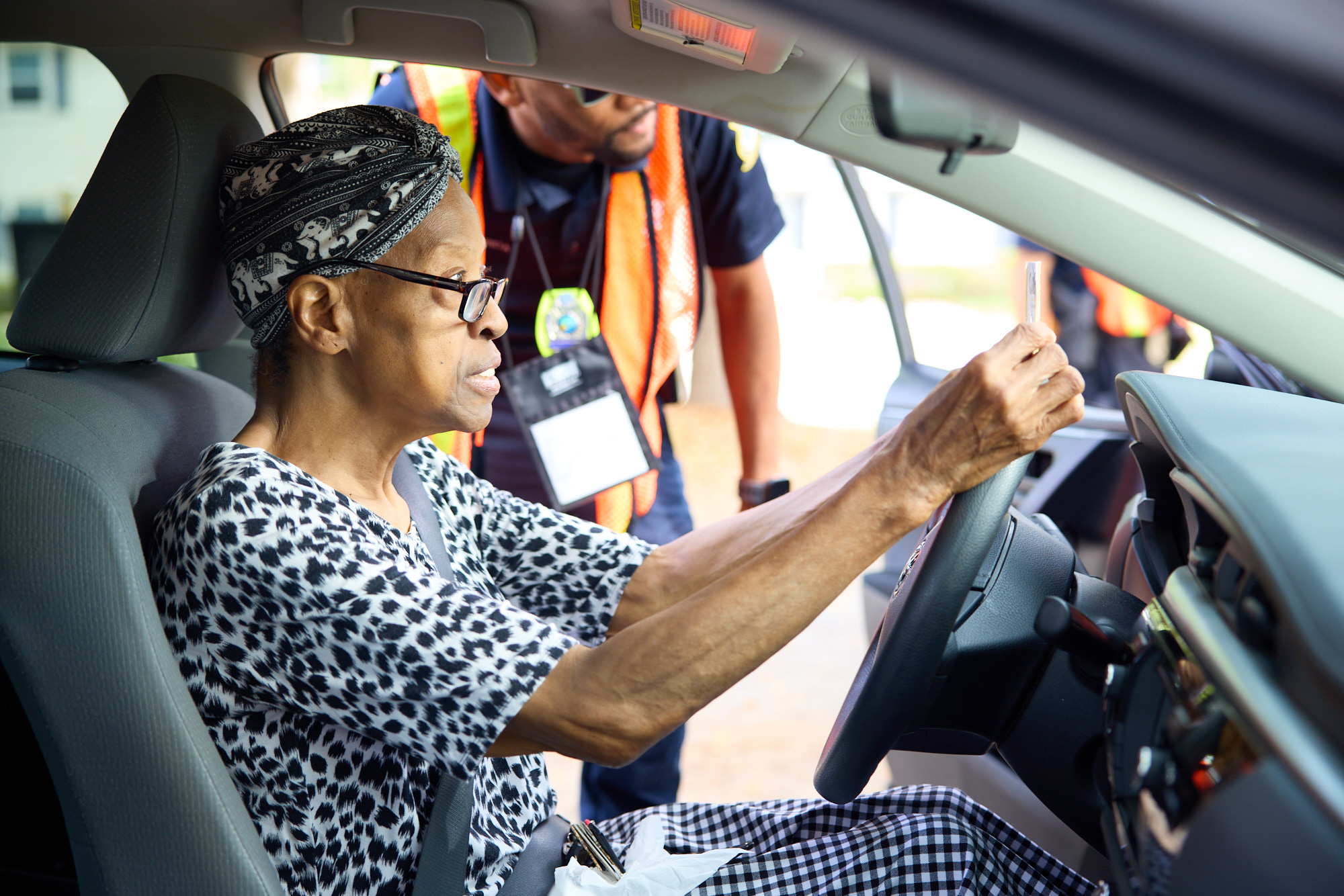
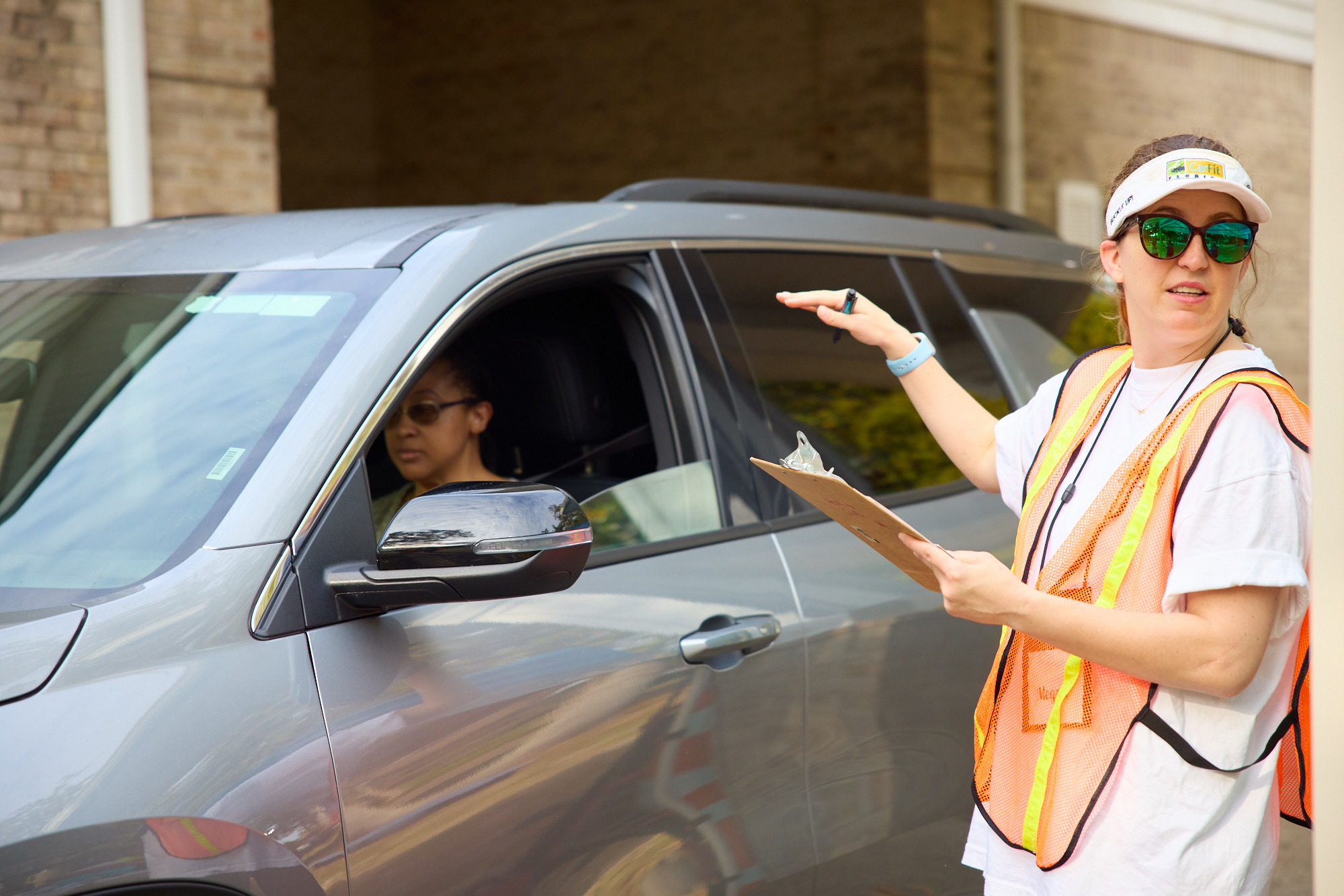
During the CarFit event, fourteen drivers went through the car checkup, positively impacting their safety and confidence behind the wheel. Even more exciting is the momentum created for future CarFits in your communities. Team members’ enthusiasm and great ideas for this initiative are great, and we can’t wait to see how each of their agencies continues to grow this effort locally.

CarFit Technician Training

CarFit Check

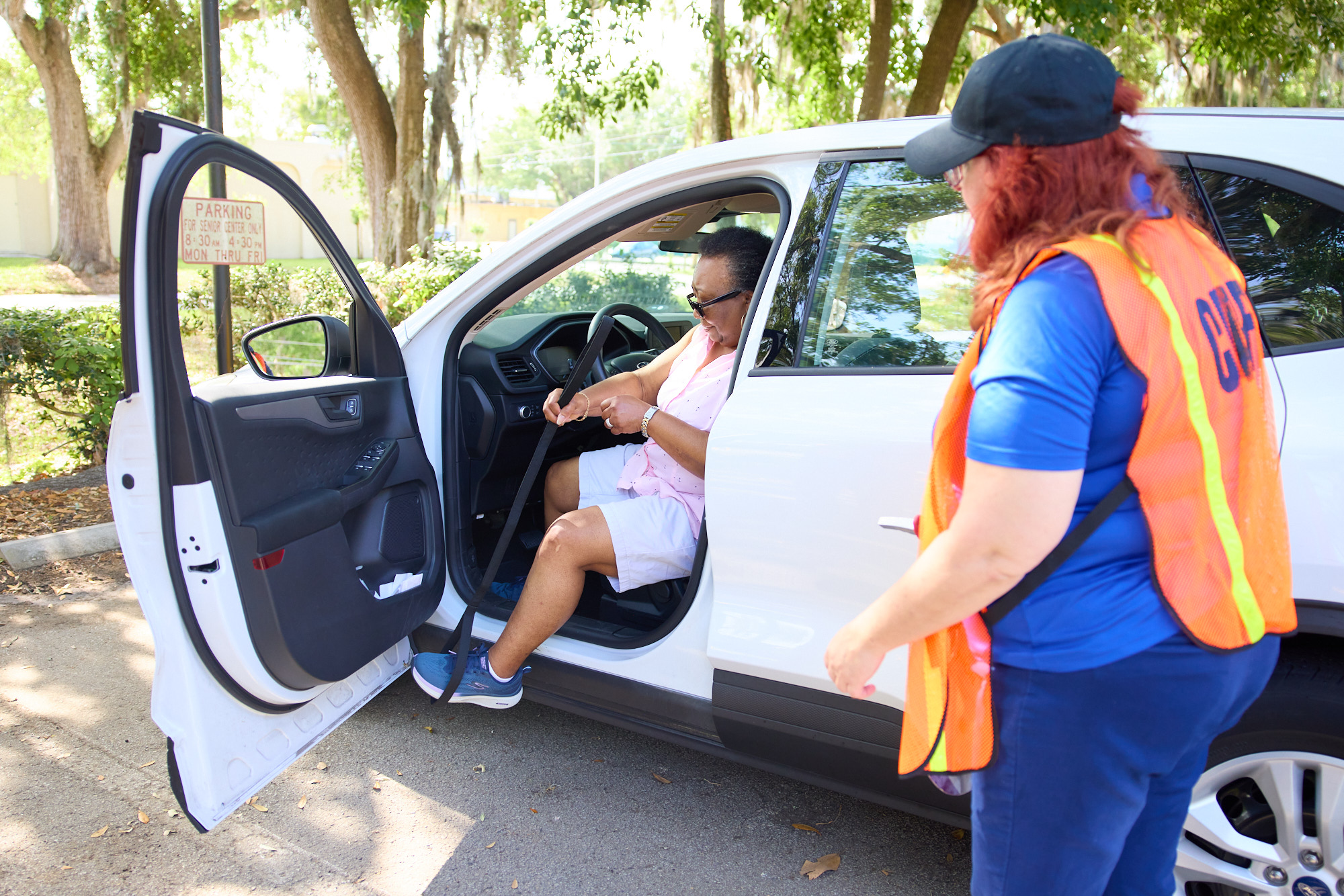
CarFit is a FREE, interactive, and educational safety program that teaches participants how to make their personal vehicles “fit” them to increase their safety and mobility when they are driving on the road. It is not a driving test or mechanical inspection. Motorists get assistance with items such as: 

  • Proper safety belt use and fit
  • The safe distance between the driver and their air bag
  • Clear line of sight above the steering wheel
  • Properly adjusted head restraints
  • Safe positioning of mirrors to minimize blind spots

Event Photo Gallery

We are grateful to our fantastic community partners and agencies for participating in this event with us:
  • AARP
  • Alachua County Fire Rescue
  • Atlantic Beach Police Department
  • Clay County Public Library
  • Clay County Senior Services of Aging True
  • Clay Department of Health
  • FDOT Safe Mobility for Life Coalition
  • Lawtey Police Department
  • Orange Park Police Department
  • Orange Park Senior Center
  • Town of Orange Park Police Department
  • UF Health
  • Veterans Affairs

Together, we’re paving the way for safer, more confident older drivers in our community!

If you have any questions, please email us (trafficsafetyteam@dot.state.fl.us). If you are new to the Northeast Florida Community Traffic Safety Program, we invite you to learn more about us and join a virtual Traffic Safety Team meeting for your county. For more information, visit:

  • Safe Mobility for Life – FDOT Coalition
  • CarFit – Helping Mature Drivers Find Their Safest Fit [by AARP and the American Occupational Therapy Association]

Intersection Countermeasures

Cost-Effective Safety Engineering Countermeasures Help Reduce Intersection Crashes 

FDOT District Two Community Traffic Safety Program in Northeast Florida continues the educational series of proven safety countermeasures. These five informational pieces help explain intersection countermeasures. The traffic safety strategies and treatments of roadway markings and traffic lights at intersections reduce serious injury and fatal crashes. They are based on proven measures of effectiveness by the Federal Highway Administration (FHWA).

Click on the five educational Intersection Countermeasure cards below to download a copy. They may be printed or shared digitally through email or social media with our Northeast Florida Traffic Safety Teams, communities and agencies.

Motorists and other road users, including pedestrians and cyclists, cross paths at intersections. This is where the greatest potential for roadway conflicts exists. Turning, changing lanes, and traveling through intersections are among the most complex tasks in the transportation system. They require appropriate roadway design, signage, traffic control devices, lighting, and other safety measures. Innovative safety improvements and operations at signalized and unsignalized intersections can help enhance everyone’s safety.

Traffic Safety at Intersections

Rules of the Road: Safety Tips at Intersections

In Florida, intersections are among the top 2 locations for serious injury crashes. When approaching an intersection, be aware of driveway accesses, vehicles that suddenly come to a complete stop, and vehicles that suddenly change lanes in front of you. When stopped at a red light, check for pedestrians and yield to pedestrians and bicyclists before turning right. If a traffic light shows a flashing yellow arrow, yield to oncoming traffic and pedestrians.

Click here for a PDF document of these intersection countermeasures used in Northeast Florida, provided by the FDOT District Two Community Traffic Safety Program.

Traffic Safety Countermeasures that Work in Reducing Intersection Crashes:

1. Roundabouts Reduce Severe Crashes

Roundabouts are a circular intersection that feature channelized approaches and a center island that safely and efficiently moves traffic. Motorists entering the roundabout yield to vehicles already circulating which leads to improved operational performance. Roundabouts are an effective countermeasure resulting in lower speeds and fewer conflict points.

2. Backplates with Retroreflective Borders

Backplates are a low cost countermeasure being introduced in Northeast Florida on traffic signal heads to improve visibility of the illuminated face. The dark backplate provides a controlled-contrast background. The framing with a retroreflective border makes the signal easily seen in both daytime and nighttime conditions. This treatment enhances visibility for aging motorists and color vision deficient drivers, and is also beneficial during power outages or inclement weather, providing a visible cue for all motorists.

3. Left and Right Turn Lanes at Intersections Reduce Severe Crashes

Left or right auxiliary turn lanes provide measurable safety and operational benefits at intersections, reducing the number of crashes. Turn lanes give a physical separation between slower turning traffic and the free flowing main route of traffic. They provide space for deceleration prior to a turn and storage for vehicles that have stopped and are waiting to complete a turn.

4. Well-Timed Yellow Change Intervals Reduce Red-Light Running 

Red-light running is a leading cause of severe crashes at signalized intersections, and it is critical that the length of time a yellow signal is displayed following a green signal is appropriately timed. If the yellow light changes too quickly, motorists may be unable to stop safely and cause unintentional red-light running. If the yellow light changes too slowly, this may result in drivers treating the yellow signal as an extension of the green phase and invite intentional red-light running.

5. Benefits of the Flashing Yellow Arrow Left Turn Signal

Fewer crashes and better traffic flow are benefits of the flashing yellow left turn arrows as an effective engineering countermeasure. The updated design of left turn signals with a flashing yellow arrow creates a safer, more efficient left turn at intersections. When the flashing yellow arrow is illuminated, drivers must first yield to oncoming traffic and pedestrians, then they may proceed to turn with caution. This new signal system presents motorists with a more direct message and reduces confusion by replacing the green ball with the yellow and green left turn arrows so the display is not the same as the adjacent thru lane.